Eastern Journey: Kagoshima (2) — The Mountain God Shrine Beside Kirishima Grand Shrine
At a mountain shrine beside Kirishima Grand Shrine is a very interesting place; in Western terms, it is a very powerful energy point.
This place was an unexpected discovery — we did not know of it beforehand, because during prior research although we reviewed maps, the dense vegetation around Kirishima Grand Shrine made satellite images nearly useless for locating it.
Still, materials gathered online after returning show that some Western spiritual practitioners have also visited, mostly leaving praises, and many have performed their own rites according to their understanding.
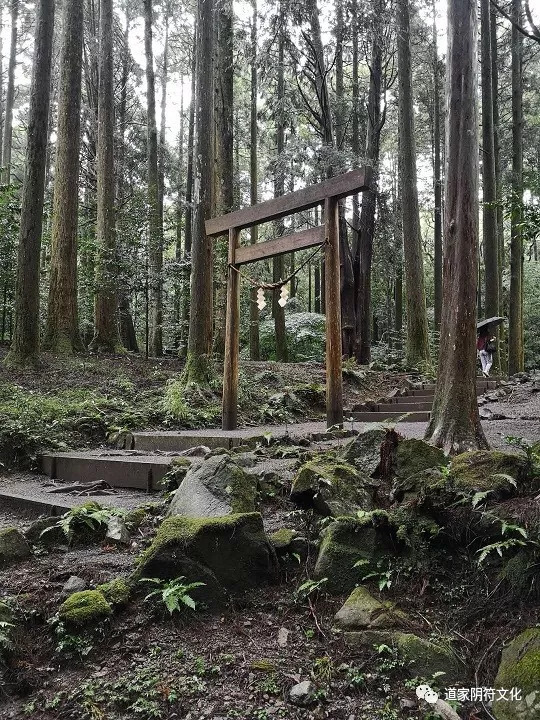
Many also raise a question: this place is clearly not remote and has clear signposts, yet why is it so little known — apart from local residents almost no one comes.
Probably Kirishima Grand Shrine has drawn everyone's attention, but few people is clearly very advantageous for us, so we could measure data and discuss without worry.
Reaching the altar involves no straight path, but a winding trail; the torii gate stands on this path, squarely at the Geng position.
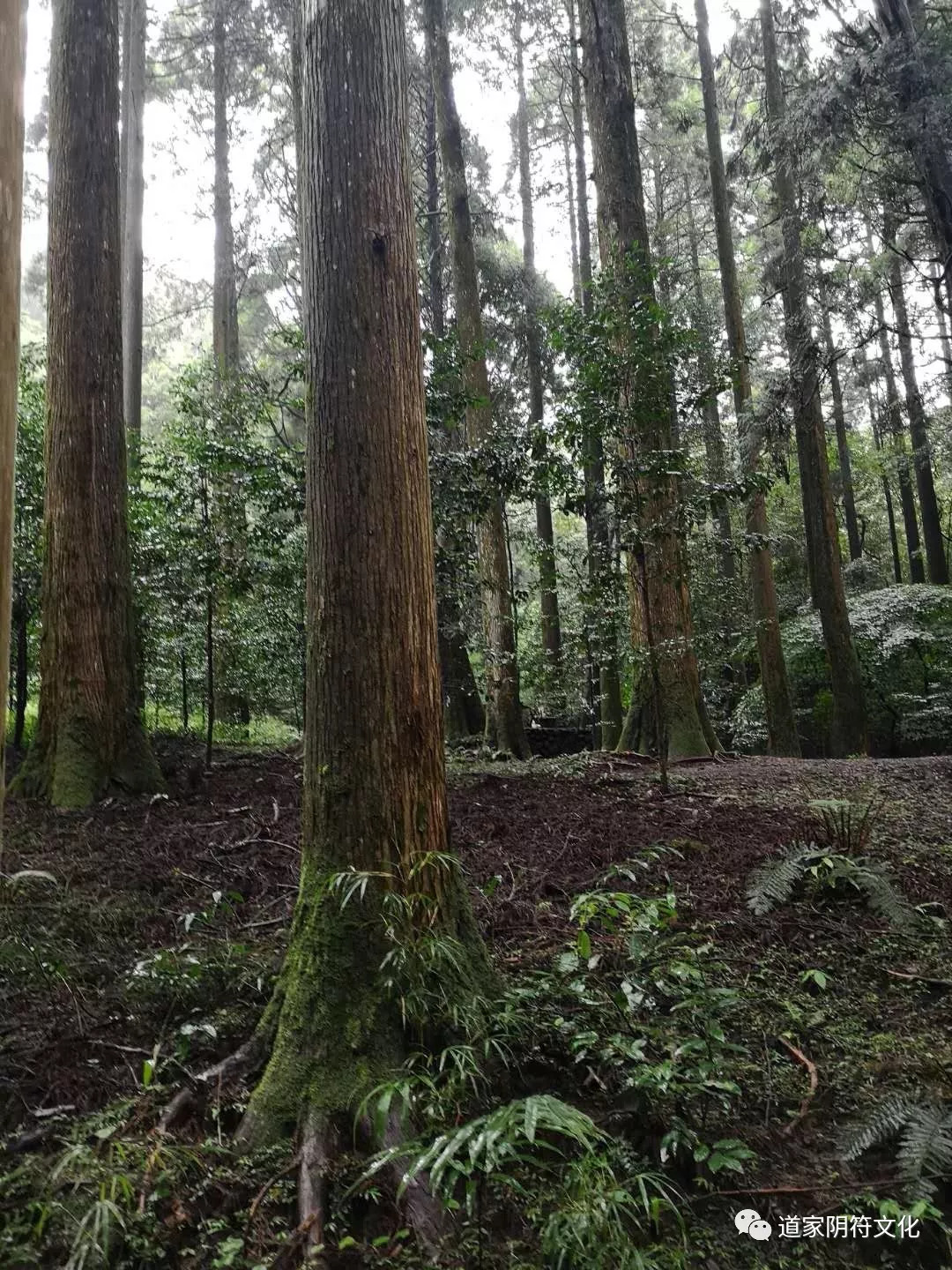
The straight towering trees around the altar leave a strong impression, deepening one's understanding of "Jia wood soaring to heaven." The mountain shrine's altar sits Chou facing Wei, while the path winds gradually upward to the Wu position, then a small flight of steps leads to the small mingtang before the shrine.
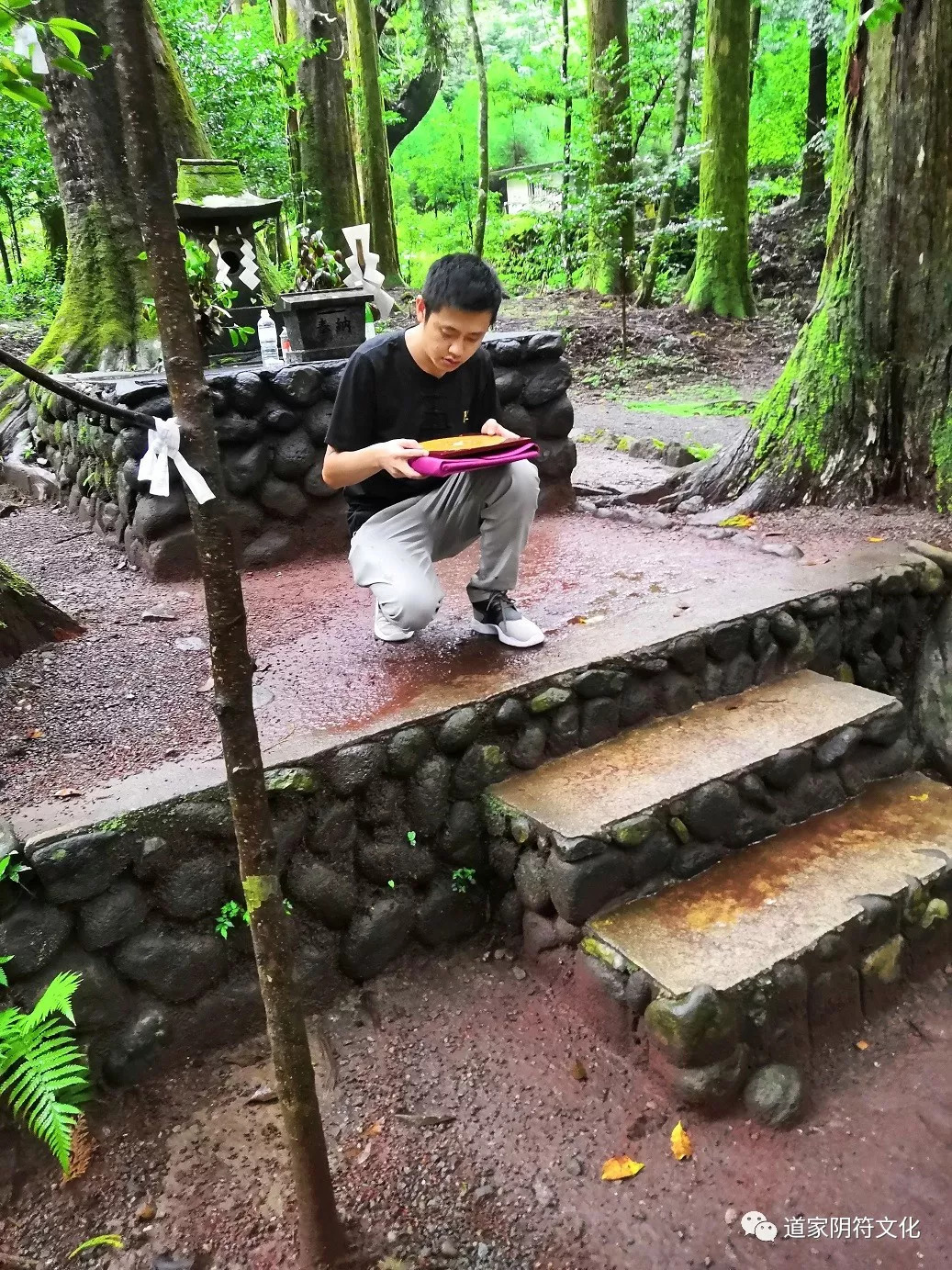
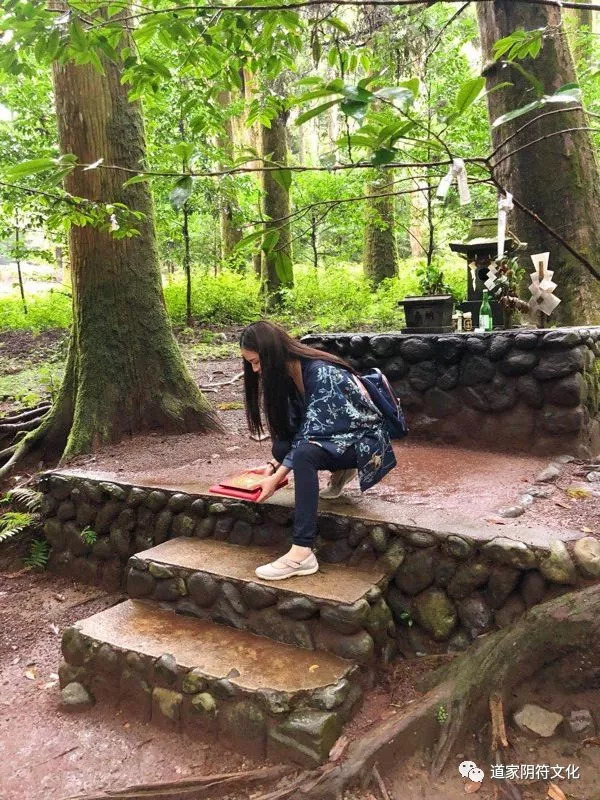
Calculating by the Ai Xing method, this place meets feng shui's requirement of the joint-ten mysterious openings connecting; the torii gate, like a gate tower in traditional Chinese feng shui, is cleverly placed — if shifted slightly forward or backward, or if the path's curvature changed, it would fail feng shui.
There is mystery in the unseen; many psychics sensing immense energy here are not speaking from thin air.