Latest notes
Daoist Master Sanfu's Geomancy Field Notes — Station One: Zixi “Immortal Offers the Palm” (Actually Immortal Side-Palm)
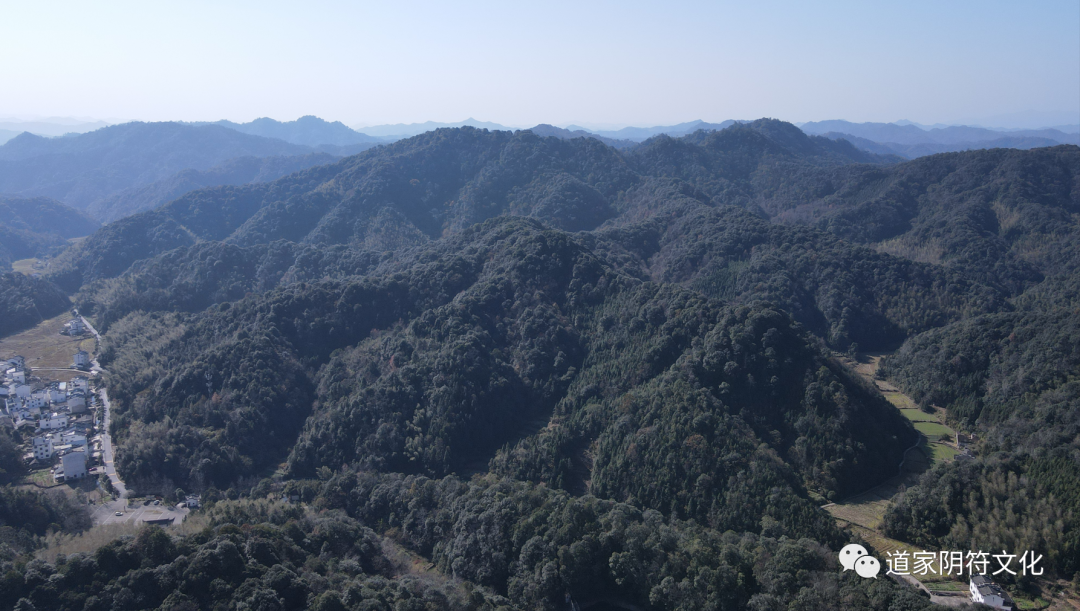
At Jianxia Village near Nanchang, Elder Tuo buried Elder Liu of Zixi in a site the villagers laughed at — “Immortal Side-Palm.” Three centuries of silence, then a clan of jinshi and ministers. On form-naming, timing of life-qi, and the geomancy that turns death into life.
 Pilgrimage & Cultivation
"Five Yuan Returning to Origin, Kan-Li Conjoining"—A Land That Produces Sages
Marvelous things mostly look ordinary at first. Ordinary people gather around to watch the bustle, yet never grasp the wonder within. It is like fine jade, which is at first hidden inside unremarkable stone—only when truly cut open does everyone know what it really was. Feng shui treasure sites are the same: they hide their own form, making ordinary eyes unable to recognize the subtlety within. In the geomancy world there is a legendary tale: Wu Jingluan, seeking feng shui sites with his disciple, once found a spring at the foot of a mountain. The disciple tasted it and said it had the scent of rouge; Wu tasted it again and said: this is not rouge—it is the fragrance of ink and brush…
 Pilgrimage & Cultivation
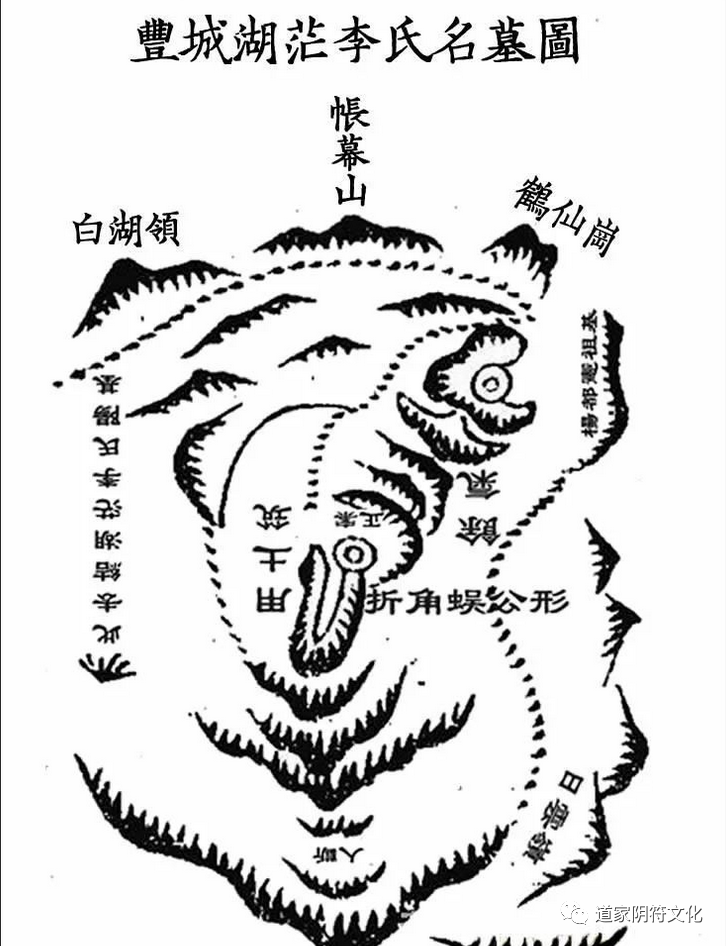
The Folding-Corner Centipede: An In-Depth Analysis of a Legendary Feng Shui Site
From the stele at the Folding-Corner Centipede site, we can see it bears the inscription "Tomb of Li Boshun." Li Boshun was a descendant of Li Shimin. Back then, after Wu Zetian took power, replacing Tang with Zhou, she persecuted the Tang royal clan. Li Shimin's youngest son, Prince Cao Ming, was killed while being banished, and his descendants were demoted to Lingnan. It was only later, when Emperor Xuanzong of Tang restored Zhou to Tang, that these descendants recovered their royal status.
 Pilgrimage & Cultivation
World Cultivation Journey — Australia (3): Uluru / Ayers Rock
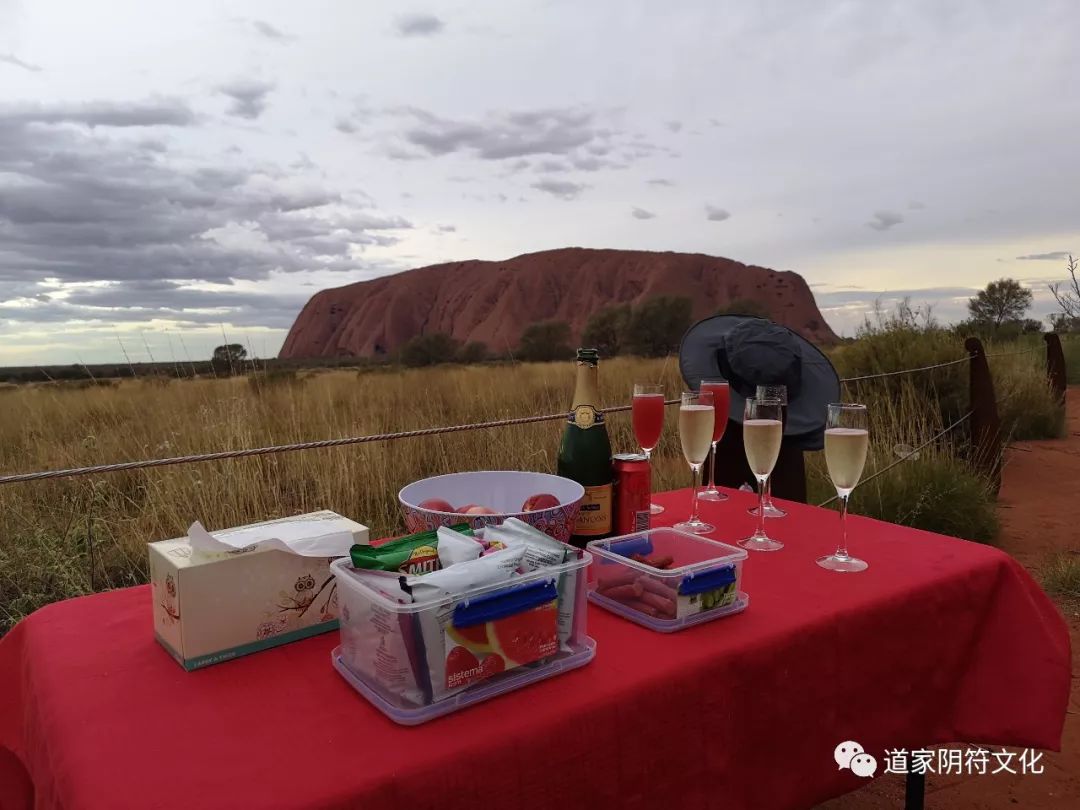
Describing Ayers Rock is truly hard to sum up in a single sentence, because each day around this great rock brings different experiences. On the afternoon of our first day, we already caught sight of its form. On the evening of December 2, because thunderstorms were forecast, the sky began to cloud over and turn cool on our afternoon return from Kata Tjuta. The guide stopped the car at a spot, then actually brought out a small table, set out cups, and produced wine and drinks. At sunset, looking out toward the distant great rock, we raised our glasses together. Though only a moment, everyone already had a first impression of this great rock…
 Pilgrimage & Cultivation
World Pilgrimage Journey — Australia (2): Kata Tjuta at Uluru, Australia
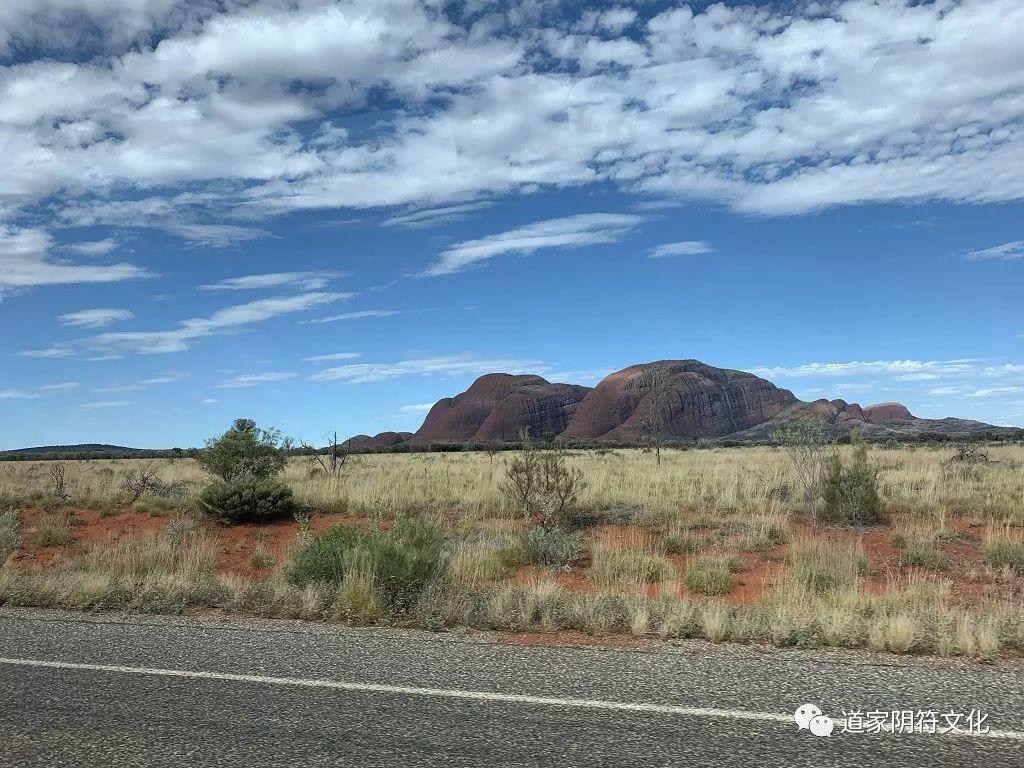
Before setting out, I saw that temperatures in Uluru often reached as high as forty degrees, which was somewhat worrying—after all, imagine sitting on scorching rock for very long. After arriving at Uluru and disembarking, resort vehicles took everyone to the hotel, and then arrangements were made to head to Kata Tjuta, the great rock formation composed of thirty-six massive domes. On the road we already saw their majestic silhouettes and were full of anticipation. Although there were quite a few clouds in the sky, it was still unexpectedly hot. Fortunately there was a chatty guide, whose chatter eased some of the heat in the van; before long we reached Kata Tjuta.
 Pilgrimage & Cultivation
World Cultivation Journey — Australia (1): Feng Shui and Taoist Philosophy at the Sydney Opera House
After a ten-hour flight we finally landed in Sydney. Though this humble Taoist had never set foot on this land before, it felt no stranger at all—for behind the design of the Sydney Opera House lies a strong current of Taoist philosophy, something this humble Taoist has long followed. The Opera House's designer Jørn Utzon was deeply influenced in his idea of harmony with nature in design by Chinese Taoist thought. These influences came from Lin Yutang; Utzon's fondness for Lin Yutang was such that he even named his daughter Lin Utzon. Postwar architecture was mostly functionalist: buildings emphasized using as little as possible, and as long as function met needs that was the main goal—that was the popular art of the time…
 Pilgrimage & Cultivation
Eastern Journey: Kagoshima (10) — Gathering and Refining the Fire of the Five Elements
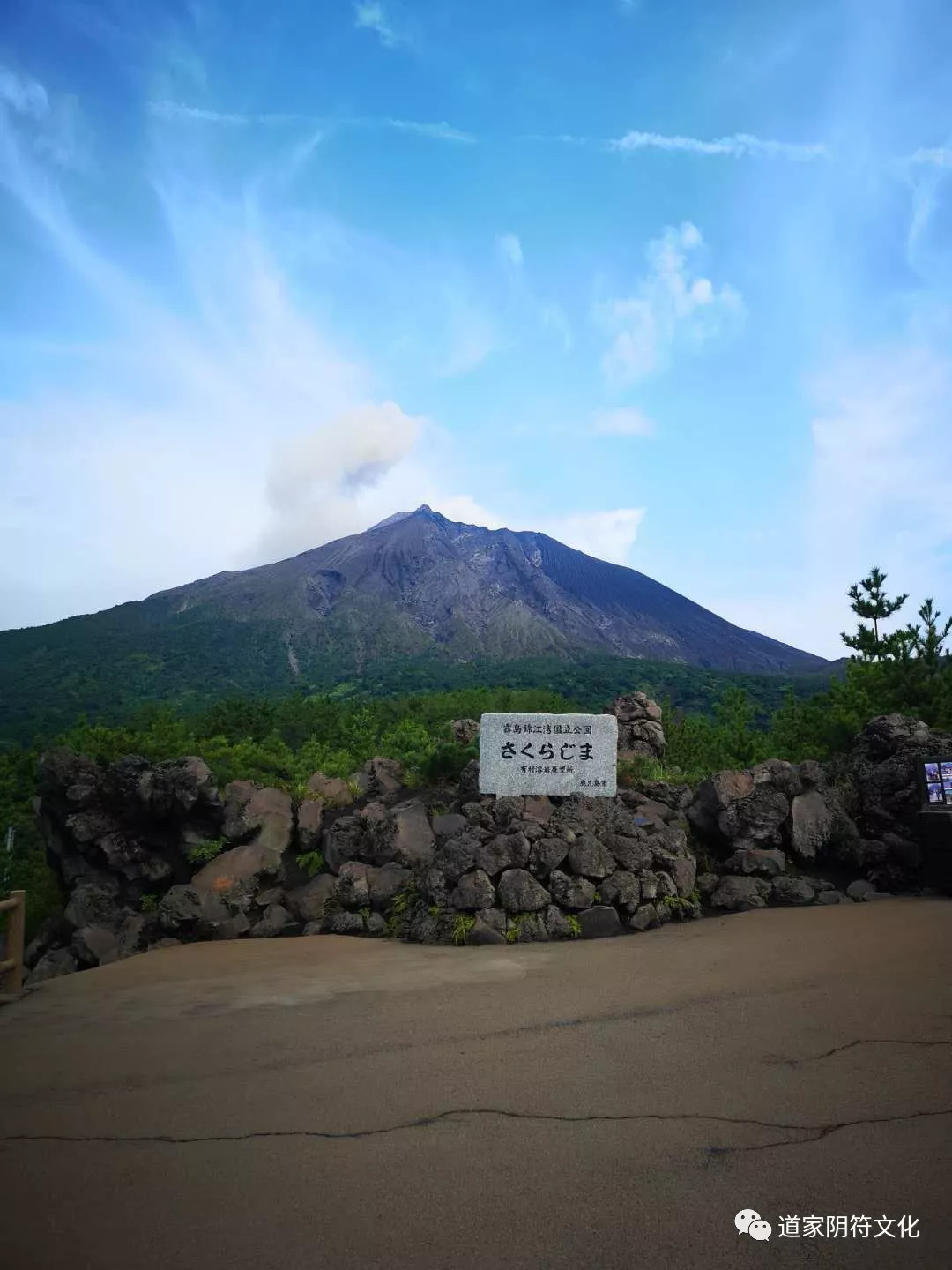
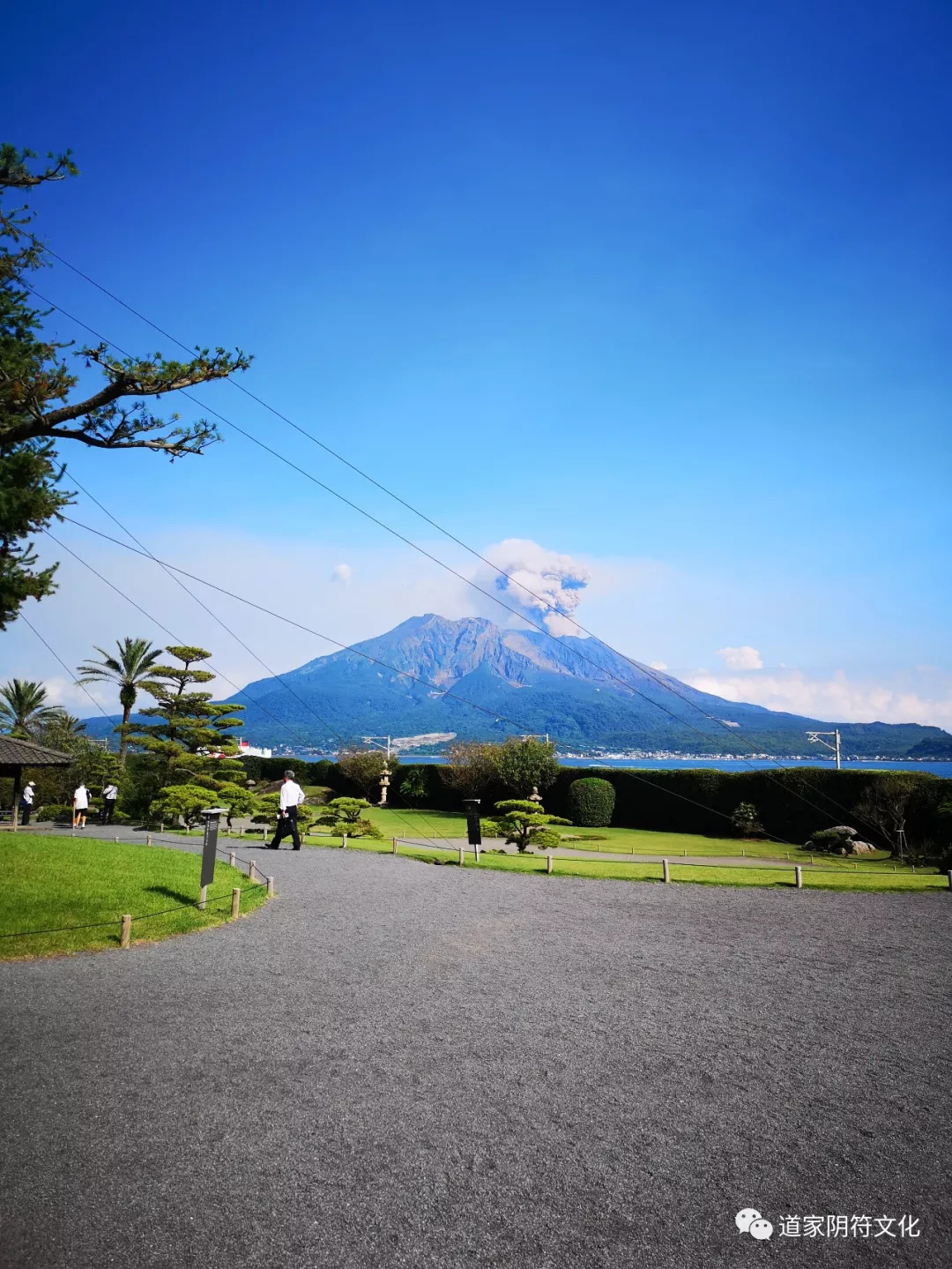
For a long time I had wanted to see a live volcano with my own eyes, but I was probably too lazy, so there never seemed to be a chance to go in person. Still, a bit of curiosity remained, so I poured over many videos and photographs — yet always felt they lacked a touch of true vitality. Spiritually, one can ignore everything in reality and treat the world as nothing but a dream; but in practice, one must still eat when it is time to eat and sleep when it is time to sleep — nothing can be omitted. That which cannot be omitted is the reality of the world, and also the boundary between illusion and reality. If the Buddhists' excellence lies in seeing through reality and treating all worldly things as illusion, the Daoists' excellence goes further still, for the Daoists can also turn all that is illusory into reality. I had always assumed volcanoes must be violent, but this trip changed that view. Sakurajima volcano is quite friendly to visitors — it erupted on the way to Sengan-en, and once inside the garden it showed its most charming face. If the Sakurajima of media reports is like a cranky old man, what we met was more like an ethereal woman showing her finest side. Up the mountain it was very calm, and a student asked: Daoist Master, can you make the volcano erupt? That is not up to me, I answered. At the destination everyone found a good seat and sat in closed-eye meditation, preparing to immerse in nature to the sound of the melodious guqin. Just then someone called out: the volcano erupted. Looking up, only a plume of light smoke drifted from the summit, lingering and ethereal. To meet such a powerful external response during meditation is rare; one can only marvel at the deep fortune of those present. Waves of heat rose within the body; the sensation was stronger than expected, and on impulse I tried circulating Five-Fire refinement of form, overrunning slightly into the Lung meridian, though without harm. The inner landscape was so clear that gathering and refining went very quickly; I closed the practice and looked around — others were still immersed, so I sat on in silence. After meditation the group still felt reluctant to leave, so they formed a circle for photos; the volcano had already ceased erupting. Later they went to the foot of the other side of the mountain, where a natural hot spring was used for foot-soaking — just as they began, ash covered everyone. Eruptions produce great quantities of volcanic ash; during meditation the wind happened to blow away, so the eruption not only did not disturb the practice but allowed us to record such precious scenery. One discovery of this trip: the Japanese do not seem to bury their dead on mountains, so large cemeteries on hillsides are rare — yet many mountains here in Kyushu have fine feng shui dragon-lair sites, which is surprising.
 Pilgrimage & Cultivation
Eastern Journey: Kagoshima (9) — The Feng Shui of Tsurumine Shrine
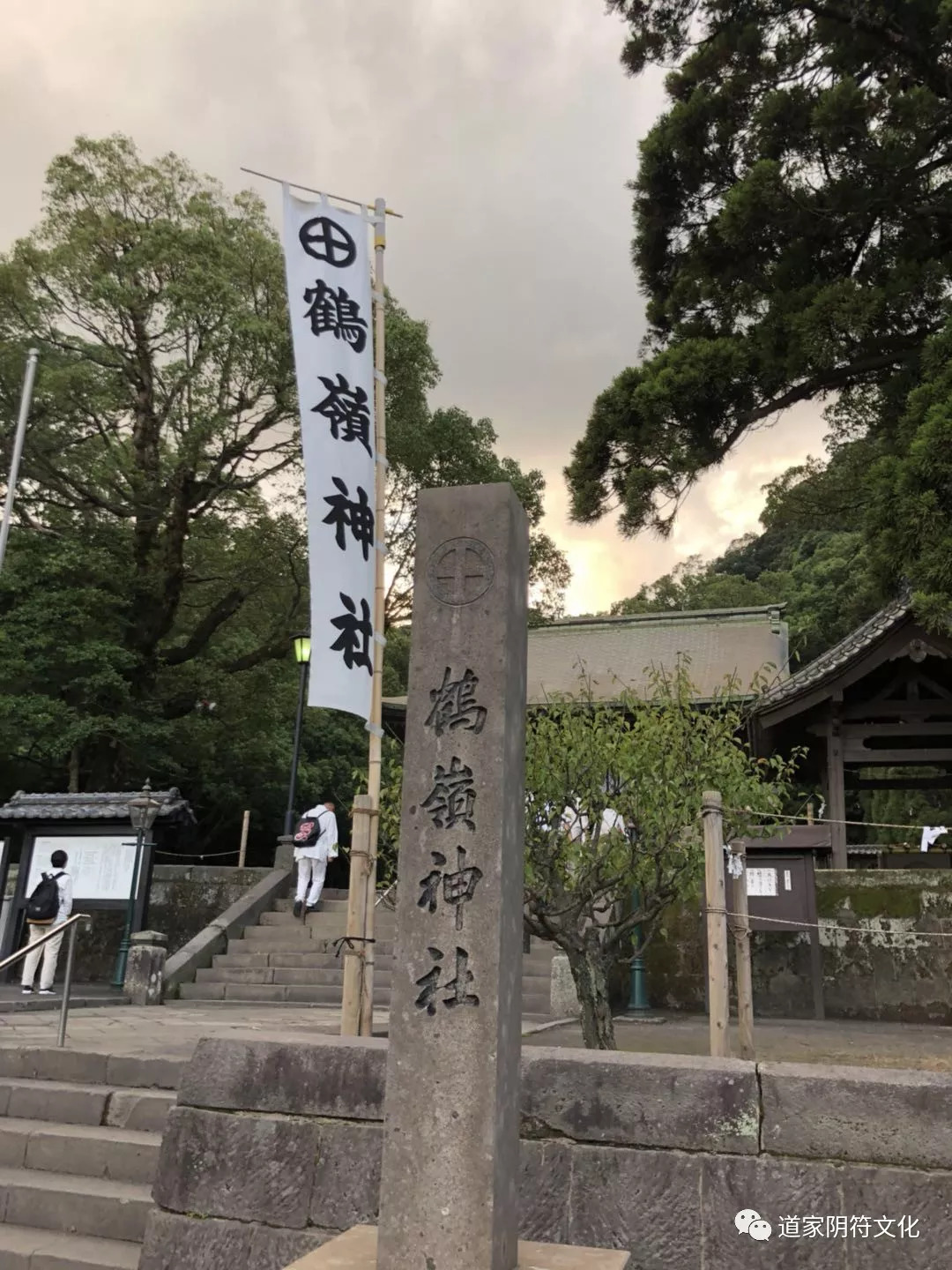
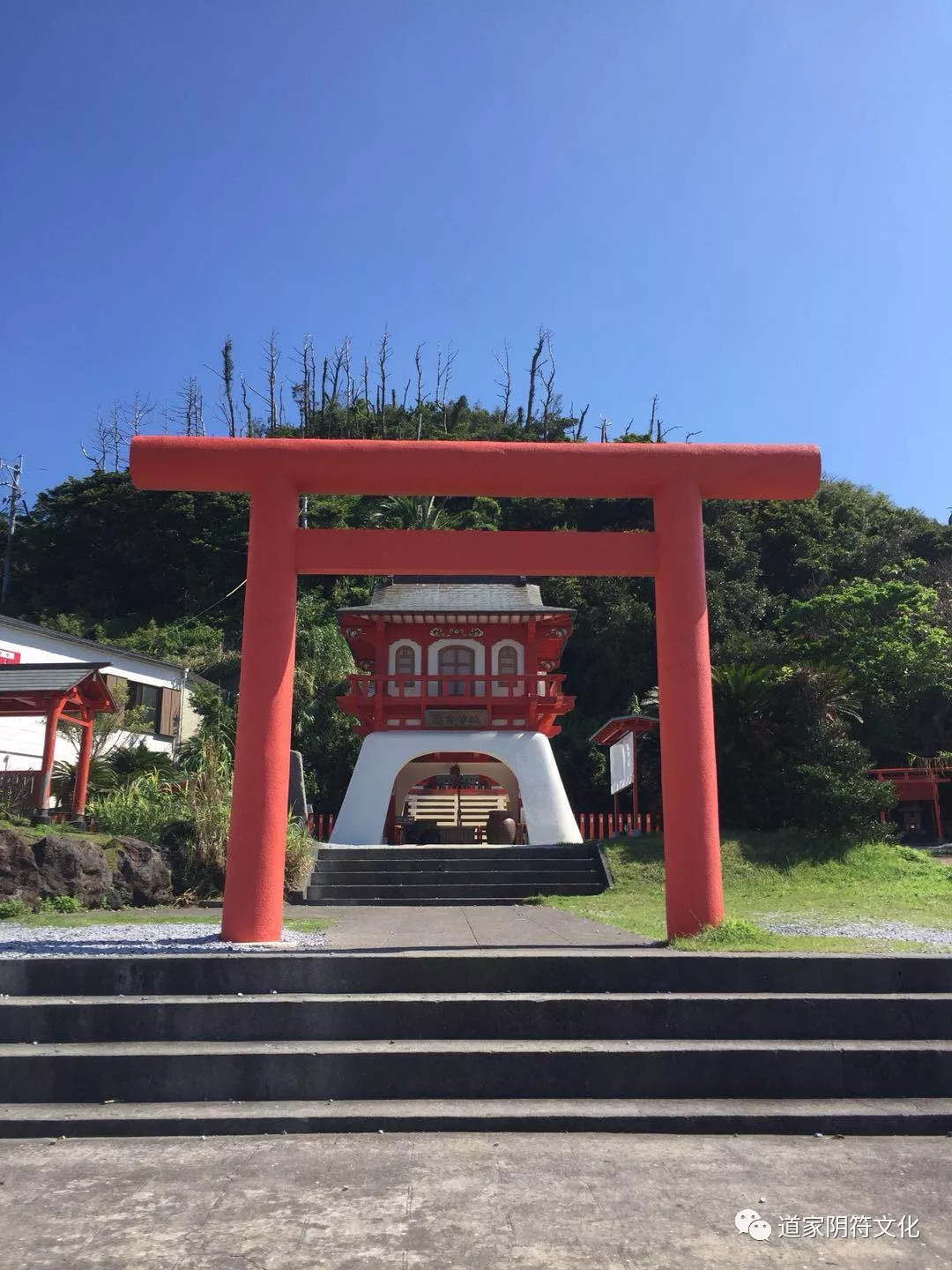
Leaving Sengan-en, the sky had already begun to overcast. Right at the entrance was Tsurumine Shrine, essentially the ancestral hall of the Shimadzu clan — a place I had long wanted to inspect. Pressed for time, we could only take quick measurements before moving on. Here the facing is Bing with water at Chen, gathering the qi of the Eight Sha; the White Tiger sand remains vigorous and imposing, indicating the rise of military generals. What is especially admirable is that the surrounding sands form a Three-Transference hexagram. Although the shrine was relocated here over three hundred years ago, it still shelters its descendants deeply. In the Meiji Restoration the Shimadzu clan was a central anti-Bakufu force, fighting the Tokugawa shogunate; the shogunate founded by the Tokugawa was ultimately destroyed by the anti-shogunal forces to which Shimadzu belonged. In the Meiji era, the main line of Shimadzu Tadayoshi and his father Shimadzu Hisamitsu split after the Restoration into two houses, Tamatsukuri and another, both granted the rank of duke. Other powerful branch houses included the Hyuga Sanda Shimadzu, into which Princess Takako, fifth daughter of Emperor Meiji, married (a viscount house holding 27,000 koku at the late Bakufu period). The remainder were made barons. Emperor Akihito's grandmother was Shimadzu Kaneko, seventh daughter of Shimadzu Tadayoshi, so the present Shimadzu clan is blood-related to the Japanese imperial family. This feng shui survey in Japan surprised this humble Taoist somewhat: many legendary efficacious shrines, as well as the Shimadzu ancestral shrine, whether favorable or not, fully conform to the theory of Ai Xing feng shui. Whether these famous shrines that fit feng shui principles are coincidence or careful arrangement is left for readers to ponder.
 Pilgrimage & Cultivation
Eastern Journey: Kagoshima (8) — The Feng Shui of Onoyado Shrine
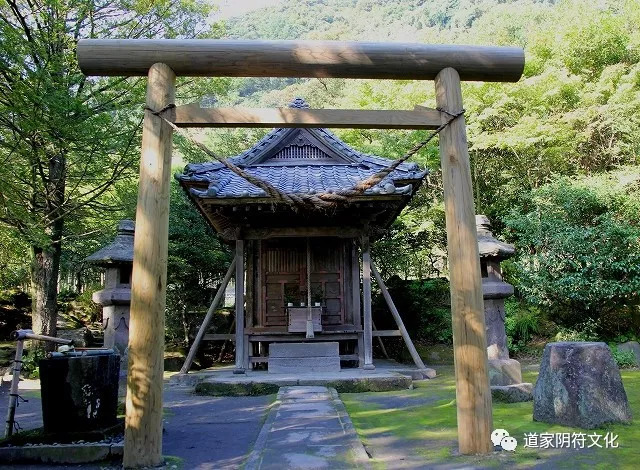
Another shrine encountered on the back mountain is a place enshrining thirteen gods, called Onoyado Shrine. According to what we learned, the original shrines appear to have been dismantled and concentrated here. This site also sits at Zi with secondary Gui, with the water outlet at Kun, water exiting in three folds. Most importantly, a small path runs from the Chen position out to the platform in front of the shrine — clearly this arrangement can make the shrine efficacious. Ms. Wang told us that a landslide once occurred on the slope behind; when the rock flow slid down toward the back of the shrine it suddenly changed course and flowed elsewhere, causing no harm at all to this small shrine — quite marvelous. Later Ms. Wang led everyone to a prepared spot — a lawn beside Sengan-en, with an expansive view where both volcano and sea lay before them. The qi field here is very harmonious and the scenery beautiful, so Ms. Wang suggested coming early to meditate here; that sounded fascinating, for volcano, sea, and sunrise together must be a distinctive scene. Unfortunately the next morning's plan was a direct trip to Sakurajima, so such arrangements must wait for another chance.
 Pilgrimage & Cultivation
Eastern Journey: Kagoshima (7) — The Feng Shui of the Shimadzu Clan
In the afternoon, everyone headed to Sengan-en, the former residence of the Shimadzu clan; historically the Satsuma Domain was in fact always under Shimadzu control. The Shimadzu clan has been very powerful in Japanese history and has always played an important role. More importantly, the Shimadzu have long claimed descent from the First Emperor of Qin, and thus have a strong fondness for Chinese culture. The name Sengan-en is said to derive from Xianyan in Jiangxi, China. Xianyan in Jiangxi is also called "City of Immortals," because the Tang poet Gu Kuang wrote a poem: "Towers and terraces in colored verdure shine far and clear / I hear the immortals dwell within this city / I wish to climb the City of Immortals but no path leads up / Voices of people by the water among the flowers." Although the introduction says Sengan-en was built in imitation of Xianyan, the Jiangxi Xianyan is an entire peak rising from level ground; after three mountain gates and 720 steps one reaches the summit, where stands Doushuai Palace, with the middle terrain bounded by the Lion Looking Back peak, hundreds of peaks forming the Hundred Phoenixes Facing the Sun to the south, and seven peaks forming the Big Dipper to the north. Honestly, however one looks at it, Kagoshima's Sengan-en and Jiangxi's Xianyan seem entirely unrelated. Arriving at Sengan-en, Ms. Wang from Taiwan received the group; knowing this was a cultivation tour studying feng shui everywhere, the CEO of Sengan-en also came out to talk. Ms. Wang proposed that we narrate the feng shui of Sengan-en along the way so they could record it, which this humble Taoist gladly agreed to. Along the way Ms. Wang explained each spot while everyone took measurements with luopans; yet from the entrance into the courtyards there was only regret, because after the Meiji Restoration many original buildings were demolished and later repeatedly altered, and even they no longer knew the original layout. Data measured this way is naturally unreliable, so we could only continue forward, finally reaching the house where the Shimadzu once lived — and unexpectedly witnessed Sakurajima erupting. Sakurajima does not erupt often, sometimes not once in a week or two; this eruption was viewed from a superb vantage, good luck. By Ms. Wang's account, the interior of the Shimadzu residence is normally closed to the public, but they specially opened it because of our visit. Outside the successive Shimadzu lords' quarters stands a Yang bagua, and inside in the courtyard pool a Yin bagua — like the yin and yang dots of the taijitu fish covering the whole residence. The CEO showed floor plans; most structures were demolished after the Meiji Restoration when most property was handed over, making the ancient appearance hard to recover. Throughout, the CEO took careful notes — one must admire Japanese rigor, though this humble Taoist knows what is appropriate to discuss. The Shimadzu strongly supported the Meiji Restoration; Okubo Toshimichi and Saigo Takamori of the Three Great Meiji Men were both born in Satsuma, forming core forces against the Tokugawa Bakufu. After Emperor Meiji established the new government in 1868, the Shimadzu changed course to pursue science and education. In 1877 Shimadzu Genzo successfully launched a manned hydrogen balloon; only months after Röntgen discovered X-rays in 1896, the second-generation Shimadzu Genzo and Professor Muraoka of Kyoto University produced X-ray photographs. In 1909 they developed medical X-ray machines. For these achievements the second Shimadzu Genzo was selected among Japan's top ten inventors in 1930; until his death in 1951 he obtained over 178 inventions. After that the Shimadzu settled into quietude, until 2002 when Koichi Tanaka of Shimadzu Corporation won the Nobel Prize in Chemistry, bringing honor again. But a scientific path is in some sense unsuitable for the Shimadzu: their residence sits Gui with secondary Zi, with Sakurajima at the Azure Dragon position of Xun, the White Tiger on the right vigorous — like the later Tsurumine Shrine, clearly a configuration for producing military generals. At the entrance a straight tall tree also stands at Xun, indicating powerful women — fitting the historical Atsuhime (Shimadzu Keiko) who married Tokugawa Iesada in a political alliance; before the Meiji Restoration she maneuvered with Saigo Takamori and others, facilitating the peaceful opening of Edo. The tree is now hollowed by termites, its lean toward the old Shimadzu residence; staff can only prop it up for now and plan to saw it down to two-thirds. Every omen has its correspondence: the present Shimadzu are certainly under immense pressure in some respect in Japan. Toward the back of Sengan-en one finds a small cat shrine, enshrining cats — quite interesting, with many people praying there.
 Pilgrimage & Cultivation
Eastern Journey: Kagoshima (6) — The Feng Shui of Ryugu Shrine
After gathering water qi, on the return journey we passed Ryugu Shrine, which enshrines the Dragon God and also serves as the local protective deity. This shrine is tied to a local myth: roughly, Urashima Taro went to the Dragon Palace and met Princess Otohime for a few days; when he returned to the human world he found decades had passed. Whether in the beginning, middle, or ending, versions differ across Japan — in Tohoku Urashima Taro is a woodcutter or charcoal burner; in Shimane and Fukui the realm is not a Dragon Palace but a four-season garden; in Fukui and Kumamoto the treasure is a "listening ear" that understands animals; in Kyoto Taro opens a box and becomes a crane flying back to the palace; in Okinawa he receives two boxes, one with a mirror showing his white hair — opening the other, he dies. Notably, Otohime's pronunciation in Japanese is that of a shellfish. The interesting point is its view of time, similar to the Chinese saying "one day in the mountains, a thousand years in the world," only relocated to the Dragon Palace or seasonal garden. Some scholars therefore see deep Chinese influence, with shrine architecture also modeled on Chinese forms. The red-and-white pairing is very beautiful; shells sit beside the shrine where worshippers write wishes and cast them together, believing wishes can be fulfilled. Measurements showed Gen sitting Kun facing, similar to Kiri Palace, with a purification place at You and a stele at Geng; two torii gates at Hai and at the main entrance. The data is good — as a yang dwelling it would surely prosper in wealth and sons; yet for a shrine, "a god without sha is not efficacious" — like an official needing power to exercise function. Here feng shui only partially meets that, gathering mixed qi, so matchmaking and marital harmony may work here, but other petitions may not. Legend has it that seeking marriage here is relatively smooth, which from the thorough feng shui fit has some merit. After a short stay everyone went to Tonokyo for flowing-water noodles in a quiet setting. The flowing-water noodles are simple: a machine circulates water, cooked noodles are cooled in it, then lifted out — very refreshing. The inventor has a statue at the entrance; sometimes one must admire Japanese respect for originality. The key difference from domestic cold-water noodles is use of pure mountain spring water. The water here is strikingly clear, reflecting southern Japan's abundant springs — drinkable almost everywhere, still unmatched in most of China, but under "lucid waters and green mountains are invaluable assets" it will surely improve. Worth noting: the noodle shop's ordering counter is turned at an angle, and from mountain spring water flowing down the opposite wall a mythical beast spits water — the angles form a feng shui match; whether intentional or not, business is good. After eating, a nearby shrine was beautiful so everyone visited, though with little survey value. Regular water purification rites are held yearly to remind people to avoid pollution. Japanese believe all things have spirits, which actively aids environmental protection; coordinating civilization with religious faith is well handled here — worth our learning and reflection.
 Pilgrimage & Cultivation
Eastern Journey: Kagoshima (5) — Gathering and Refining the Water of the Sea
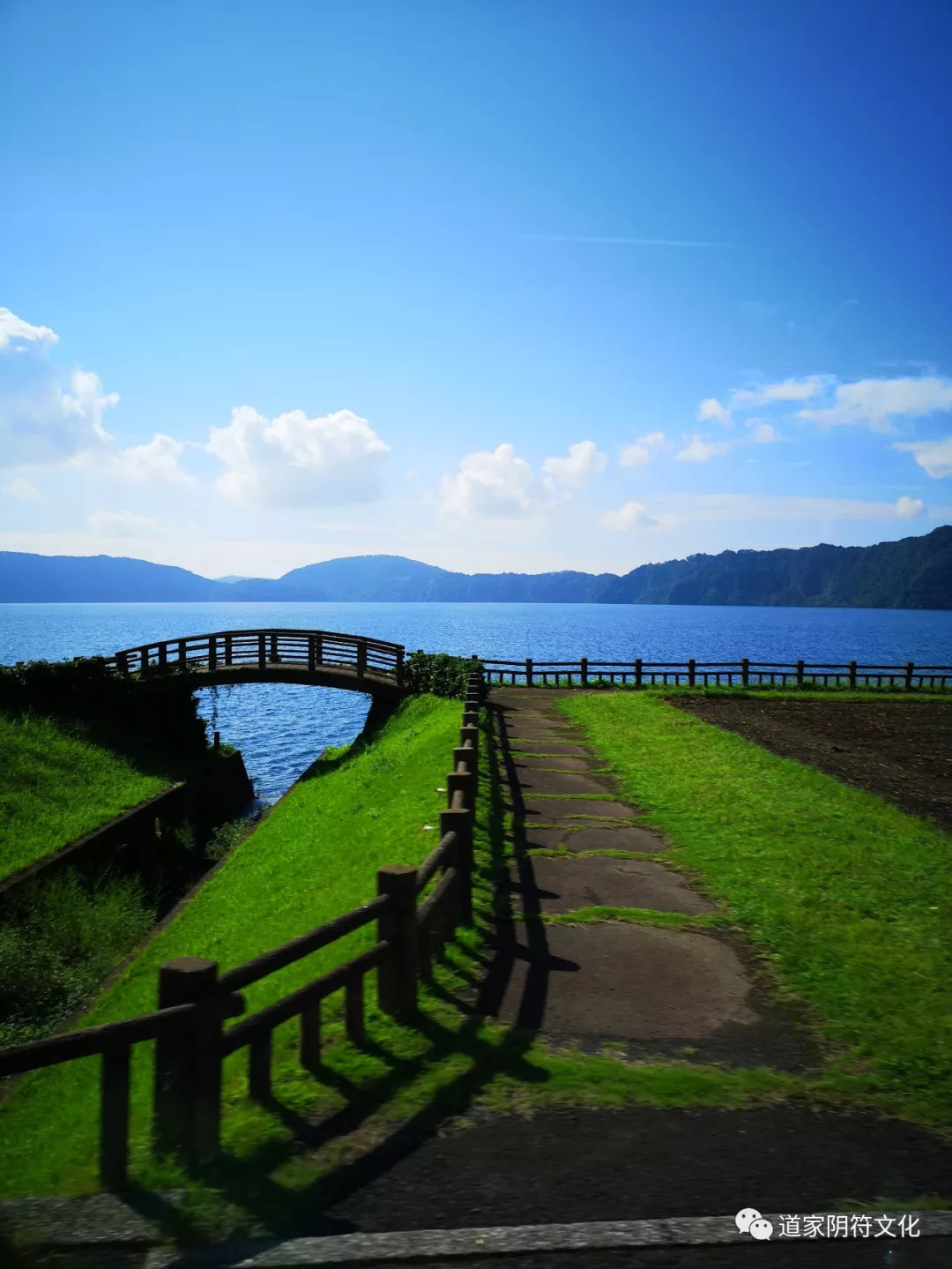
Over the previous two days everyone had already gathered qi at places with Wood qi and Metal qi; the next step, according to plan, was to gather and refine the Water of the Five Elements. In fact water is never scarce in Kagoshima — first the hot springs, second the mountain springs — yet gathering sea water is also important, so it was listed among the key itinerary items. Rising early, refreshed in body and spirit, we sincerely thanked the founding masters for their protection as the weather naturally cleared; everyone was about to set off for the seaside at the southern tip of Kagoshima. Along the ride the scenery was truly inviting — Mount Kaimon's position is very conspicuous, almost visible the whole way; before we knew it we had arrived at Nagasakibana, the cape at the southern tip of the Satsuma Peninsula. The white lighthouse stands on reddish-brown lava reefs against the sea behind, displaying a special kind of beauty. Standing on the cape looking sideways, distant Mount Kaimon still stands as a vista — already on the other side of the mountain. Everyone gazed out at the sea. Having come here, of course one still needs to check in for photos. Everyone found their own suitable spots.
 Pilgrimage & Cultivation
Eastern Journey: Kagoshima (4) — The Kanayama Sake Cellar
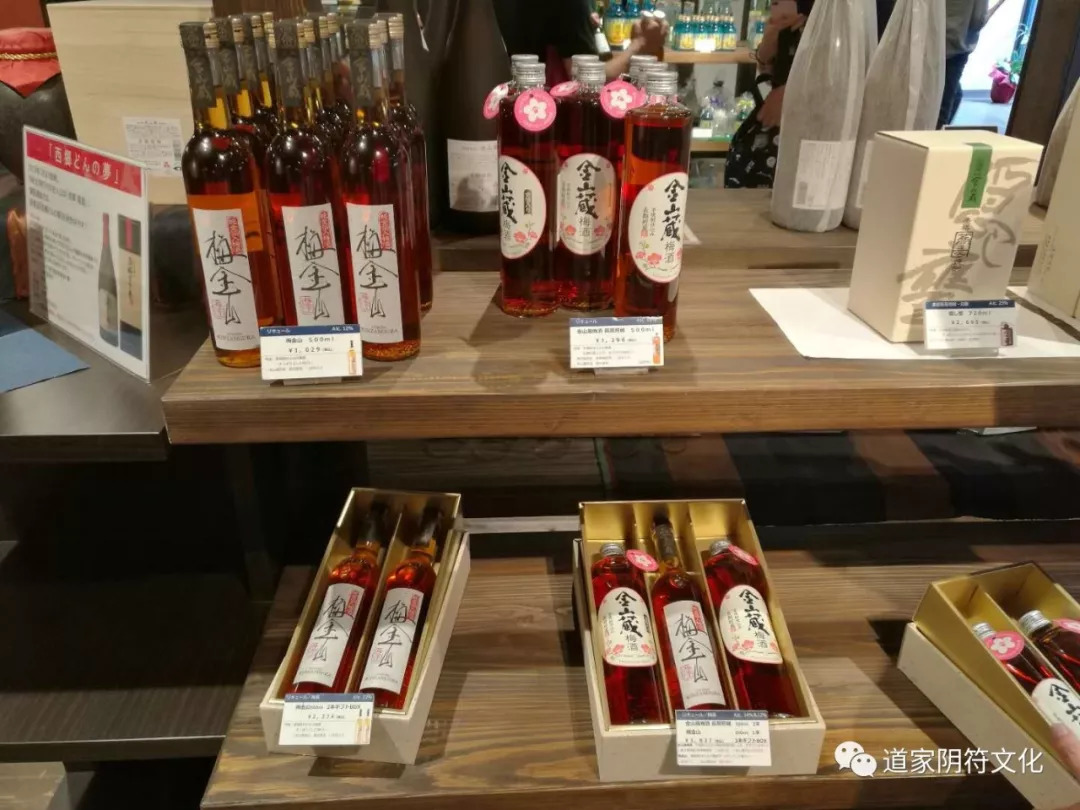
Arriving at Kanayama-kura and waiting a while, the proprietress — although Japanese — speaks some Chinese and came out to chat warmly with everyone. Kanayama-kura had been mined as a gold mine for over 350 years and is now abandoned; later the Hamada family leased it and converted it into a place for storing shochu, because underground temperatures stay at 19°C year-round and a mold grows in the mine tunnels that is very beneficial for storing liquor. There is also a very interesting service: after buying liquor you can leave it stored here and pick it up later. This humble Taoist does not touch alcohol at all, so had no interest in the sake — though I did note the prices converted to a few hundred yuan; admirably, some gold-leaf shochu costs only about two hundred yuan at the lowest. Imo shochu is mainstream in Kagoshima; Japanese imo shochu seems to have long had low ratings inland for lack of general understanding of sake and shochu. With free tastings, some companions tried this shop's shochu and said it was not bad. Then everyone rode mine carts down into the underground gold mine. Wandering the tunnels we found a small shrine at the mine bottom; measurements were surprising — the shrine's approach path sits at the Eight Sha position gathering Eight Sha qi; pity the other path does not fit feng shui, greatly diminishing the site. Later research showed the shrine was built in April 2005, called "Satsuma Kaiun Shrine," and ceremonies were held claiming to bring financial luck — perhaps built to attract visitors. Then we turned to the Golden Guanyin, the place most needed on this trip; we were told it was built after an earlier mining disaster to seek safety. Yet observation shows the Guanyin is pure gold, but in the mine with water below — intending earth generating metal generating water to drain earth qi — yet the paths on both sides run straight with no forming configuration, the statue does not gather sha, and it is unlikely to be very useful. Leaving the mine into a courtyard, one clearly sees a stone marked with the large characters "Soul-Suppressing Stele," said to commemorate the Meiji Restoration. This stele was also built around 2005; ceremonies are held every autumn; a small path leads directly to its face, and behind it faces straight at the mine entrance. In Japanese culture "soul-suppression" is a vague term — generally methods to console spirits and prevent them from causing unrest. The ancient official "Soul-Suppressing Festival" was peculiar: imperial spirits were believed to constantly disperse from the imperial line, so ceremonies praising Amaterasu and praying for revival of spirits in the imperial bloodline were needed. Returning to the point, in practical Shinto, "soul-suppression" has broader meanings including exorcism and deity-inviting. Japanese tradition holds two kinds of souls: nigi-tama (harmonious) and ara-tama (wild); wild spirits are masterless ghosts bringing disaster, requiring suppression — some schools believe ara can transform into nigi, others say only banishing evil deities converts evil to good. Also, Japanese culture holds that gods not properly worshipped can turn evil, requiring the same ritual. With this background, the Soul-Suppressing Stele at Kanayama-kura, combined with the erratic luopan movement in the mine, suggests it was built to quiet restless spirits feared to bring disaster. Leaving Kanayama-kura, the proprietress asked for feng shui guidance; at the entrance we measured Zi sitting Wu facing, outgoing water at Bing, and advised clearing the three stones on the left of the entrance to change the outflow — business should improve somewhat next year. Incoming water still does not fit, but we said no more. That night, hotel stay and hot spring, preparing for a better day of sun and sea, blue sky and white clouds.
 Pilgrimage & Cultivation
Eastern Journey: Kagoshima (3) — The Kirishima Forest
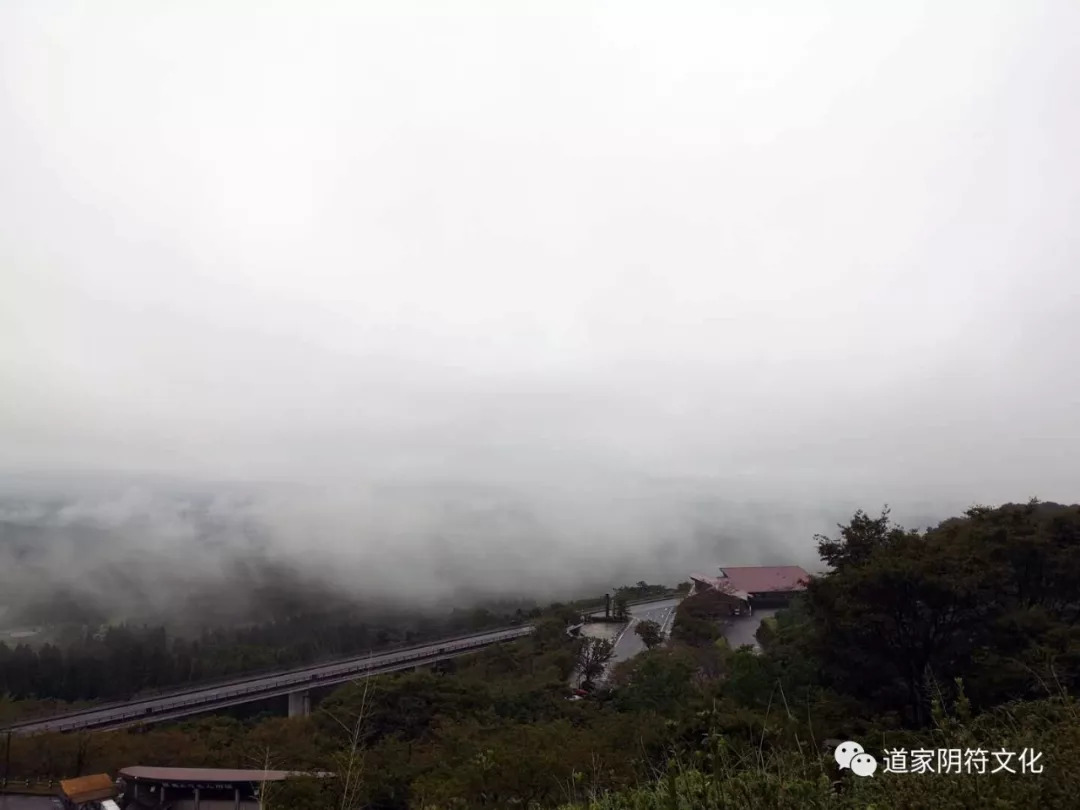
Why is Kirishima called "Misty Island"? Because it is full of geothermal hot springs, so light smoke drifts everywhere; when it rains the whole island is shrouded in mist. Strolling the streets one sees many houses built right beside hot springs — perhaps this island is too primordial, for local residents complain that when the geothermal steam is thick it carries sulfur and damages household appliances, so they keep doors and windows tightly closed. The person receiving us in Japan was also Chinese: Mr. Gu, who has lived in Kagoshima for many years. Before this trip he specially sought many places for our cultivation and meditation, putting in great effort — heartfelt thanks. This is a very beautiful lawn, and deer often come; one can even see plenty of fresh deer droppings — but just after heavy rain the grass had not dried, so we could not meditate here and had to go elsewhere. Although this place looks unremarkable, it is on the mountainside, thick with vegetation, with a broad distant view shrouded in heavy mist — in Five Elements terms this perfectly matches Water generating Wood, very suitable for gathering dense Wood qi. After meditation everyone went to enjoy fine food; every meal in Japan we selected top local cuisine. At first portions looked modest, but in the end they felt rather large; a young companion from Tokyo said that since studying there two years ago he had never felt full. Asked why, he said when first arriving he ordered double portions, until many Japanese looked at him oddly — so he silently ordered single portions, going hungry for two years; already thin, he lost seven or eight jin. Just as he marveled at the generous portions here, Guide Gu told us that every meal ordered for us in Japan was actually double portions. After eating and stepping out, no one wanted to miss a measuring chance, so we took data at the restaurant entrance: sitting Kun, with a toilet at the Mao position — actually fitting feng shui, able to bring the restaurant much wealth. The entrance is a parking lot; incoming water at Gen slightly toward Yin is somewhat acceptable, but outgoing water at Ren slightly toward Zi is not good. Computing this, the restaurant's business likely cannot last long — not necessarily direct operational problems, but this configuration causes disputes and troubles, eventually leading to closure or changing hands.
 Pilgrimage & Cultivation
Eastern Journey: Kagoshima (2) — The Mountain God Shrine Beside Kirishima Grand Shrine
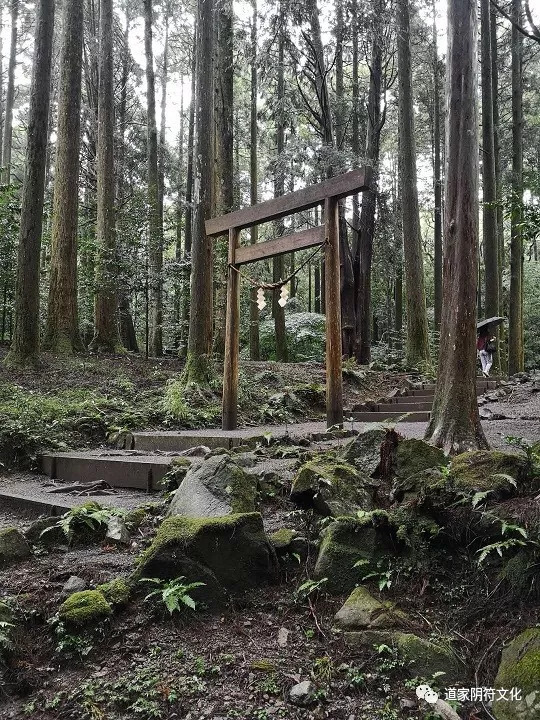
At a mountain shrine beside Kirishima Grand Shrine is a very interesting place; in Western terms, it is a very powerful energy point. This place was an unexpected discovery — we did not know of it beforehand, because during prior research although we reviewed maps, the dense vegetation around Kirishima Grand Shrine made satellite images nearly useless for locating it. Still, materials gathered online after returning show that some Western spiritual practitioners have also visited, mostly leaving praises, and many have performed their own rites according to their understanding. Many also raise a question: this place is clearly not remote and has clear signposts, yet why is it so little known — apart from local residents almost no one comes. Probably Kirishima Grand Shrine has drawn everyone's attention, but few people is clearly very advantageous for us, so we could measure and discuss without worry. Reaching the altar involves no straight path, but a winding trail; the torii gate stands on this path, squarely at the Geng position. The straight towering trees around the altar leave a strong impression, deepening one's understanding of "Jia wood soaring to heaven." The mountain shrine's altar sits Chou facing Wei, while the path winds gradually upward to the Wu position, then a small flight of steps leads to the small mingtang before the shrine. Calculating by the Ai Xing method, this place meets feng shui's requirement of the joint-ten mysterious openings connecting; the torii gate, like a gate tower in traditional Chinese feng shui, is cleverly placed — if shifted slightly forward or backward, or if the path's curvature changed, it would fail feng shui. There is mystery in the unseen; many psychics sensing immense energy here are not speaking from thin air.
 Pilgrimage & Cultivation
Toei Kagoshima (1): Feng Shui of Kirishima Shrine
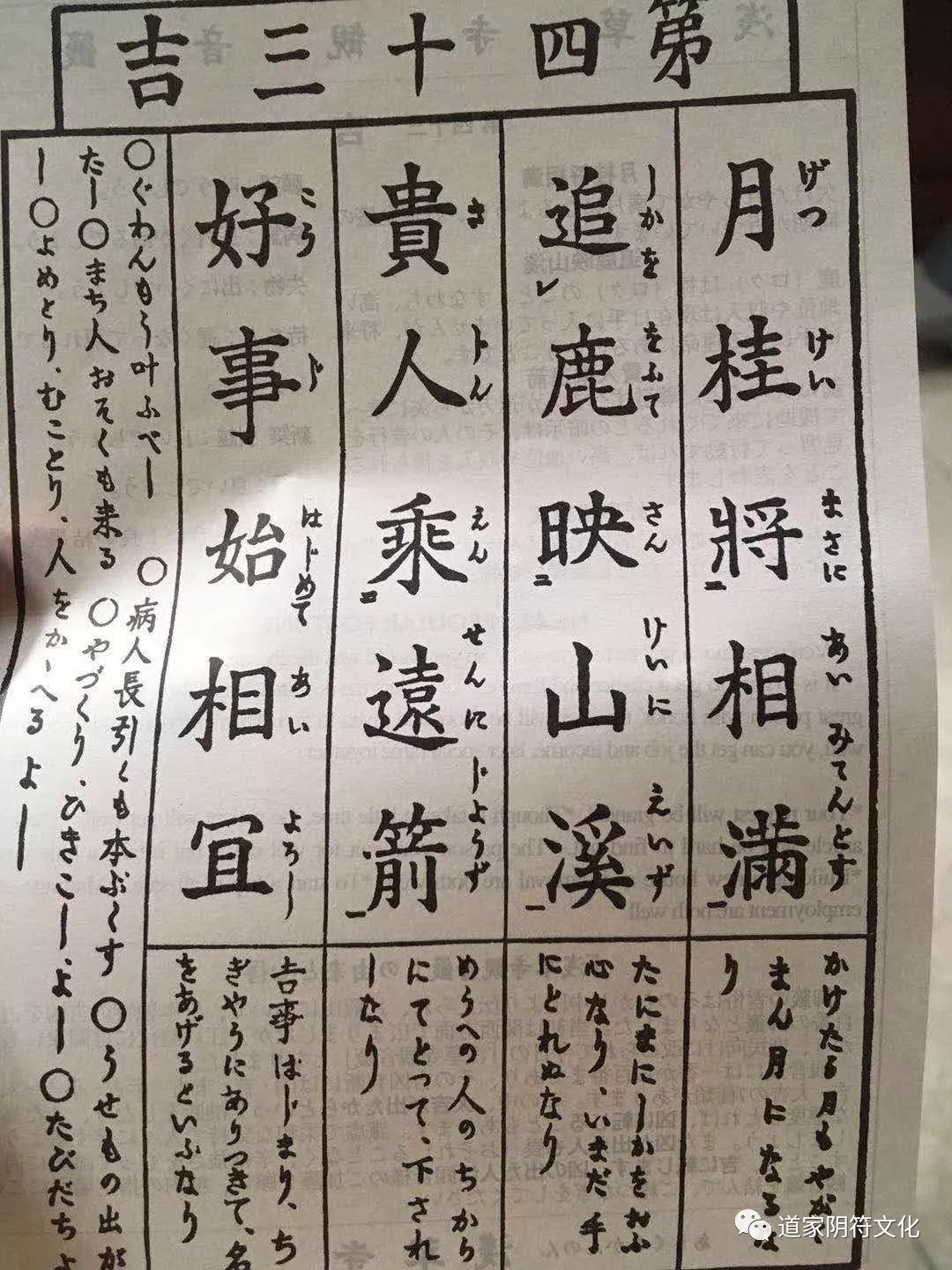
Just before the Bailu solar term, a typhoon had only just swept past southern Japan, and the weather was affected as well. With wind and rain accompanying us, the forecast was poor—perhaps followed by a less-than-pleasant journey. Yet everyone traveling together was quite optimistic, saying that when noble people travel, wind and rain must accompany them. This wasn't merely self-flattery: before this trip, a student studying in Tokyo also joined, and went to Senso-ji, the temple enshrining Guanyin in Japan, to draw a fortune slip. The verse that day went: when the moon is full, dew turns white—just the Bailu season; chasing the deer means going to Kagoshima; mirroring the mountain stream fits qi-gathering exactly; and the noble person rides a far-flying arrow, naturally by airplane. “Good things will be as they should be”—no doubt the outcome will be good. Since Cihang Dazhenren had already given such an omen, everyone naturally had no worries at all.
 Pilgrimage & Cultivation
Yunnan Trip: Travel Notes on Dali
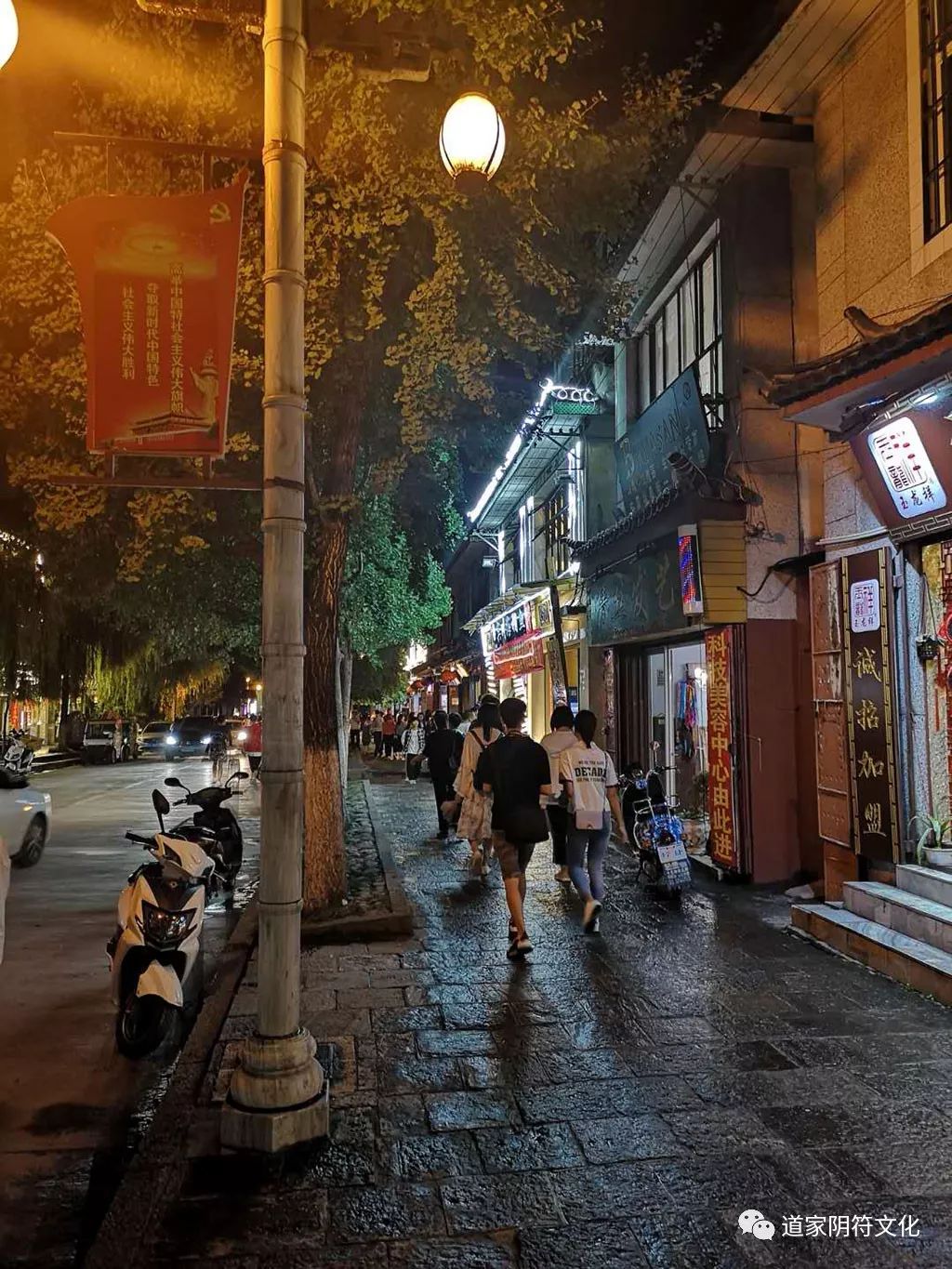
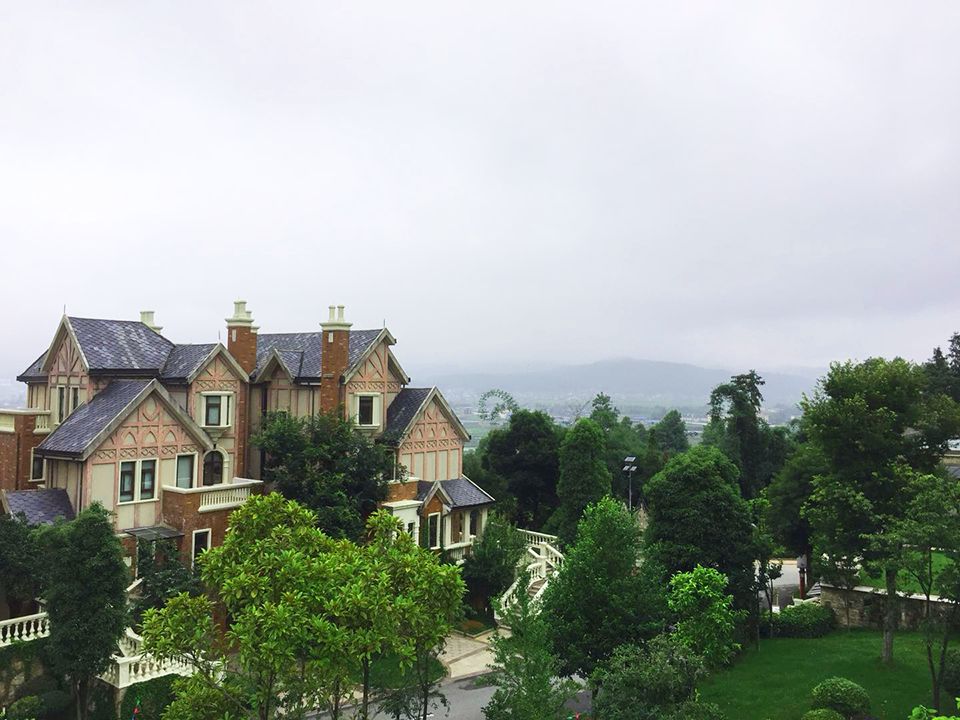
As mentioned in the previous post, this humble priest traveled to Dali with several students. The scenery along the way was endlessly beautiful—passing through mists and rosy clouds, as if entering a fairyland—though thanks to the Huawei phone, not a single distant shot taken along the way was fit to post. The Dali Ancient City is quite pretty: aside from being so commercialized that it barely seems like an old town, it has every element an ancient city ought to have. Arriving rather late, we randomly found an inn to stay in. It was a small place, but the lobby was surprisingly interesting—most inns in Dali seem to be like that, each with its own character. The next day everyone headed straight for Erhai Lake; according to online guides, Shuanglang is the most beautiful spot, so that was our choice.
 Pilgrimage & Cultivation
Yunnan Trip: Journey to Tengchong
Writing this article is quite a headache—there was far too much worth introducing along the way. Food alone could fill a dedicated article; qi-gathering practice could fill another; and with the professor's feng shui methods plus everyone's on-site feng shui surveys, that could be yet another article. So much content, and this humble priest simply lacks the prose skill to present it all in a short piece—so I will write whatever comes to mind. The actual journey was far more interesting than these pages. The Tengchong trip brought many unexpected gains: at first heavy rain made it impossible to travel from Kunming to Tengchong, so everyone had to fly to Baoshan…
18 posts