Yunnan Trip: Travel Notes on Dali
As mentioned earlier, this humble priest went to Dali with several students. The scenery along the way was endlessly beautiful—passing through mists and rosy clouds, as if entering a fairyland—though thanks to the Huawei phone, not a single distant shot taken along the way was fit to post.
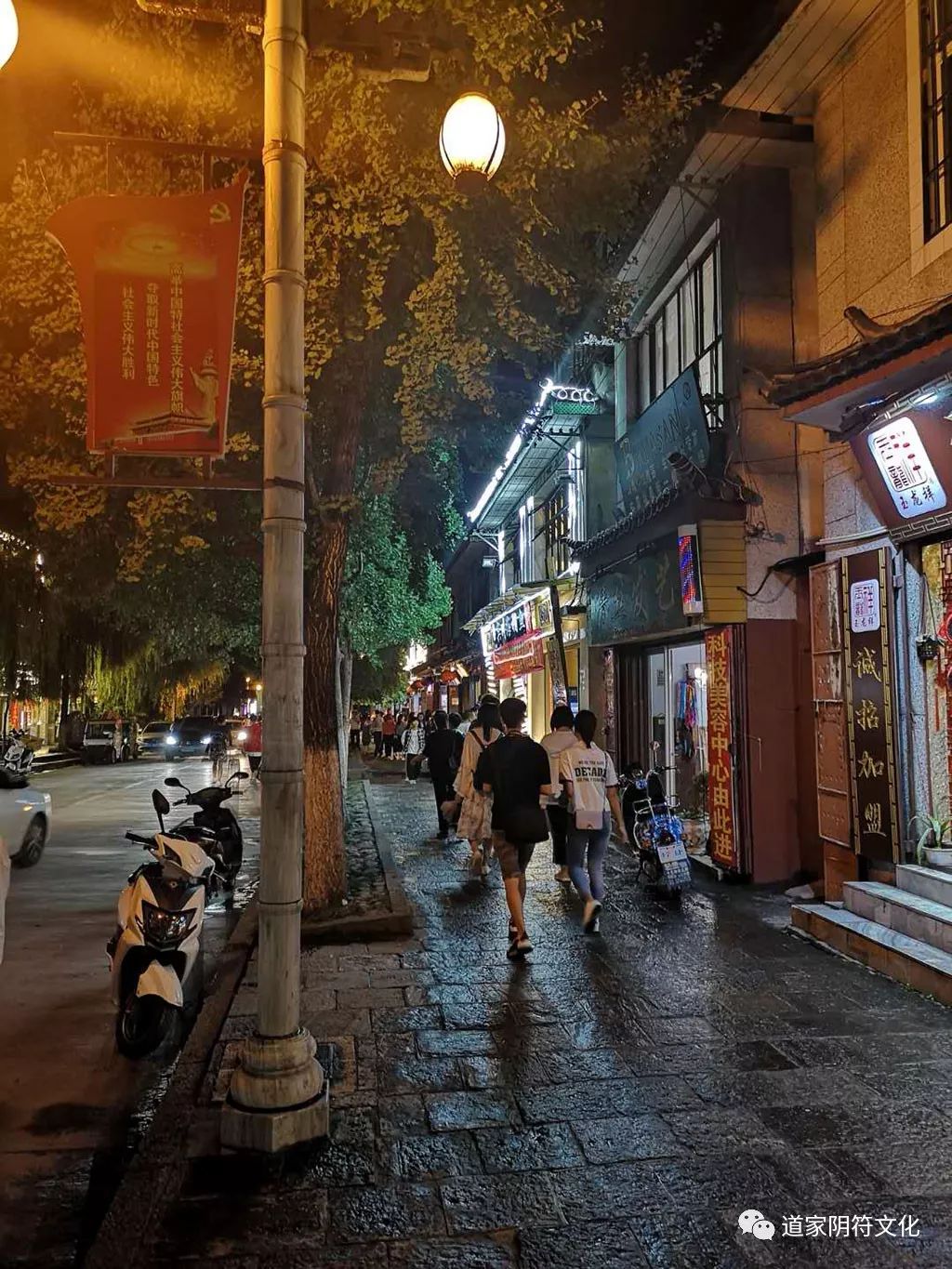 The Dali Ancient City is quite pretty: aside from being so commercialized that it barely seems like an old town, it has every element an ancient city ought to have.
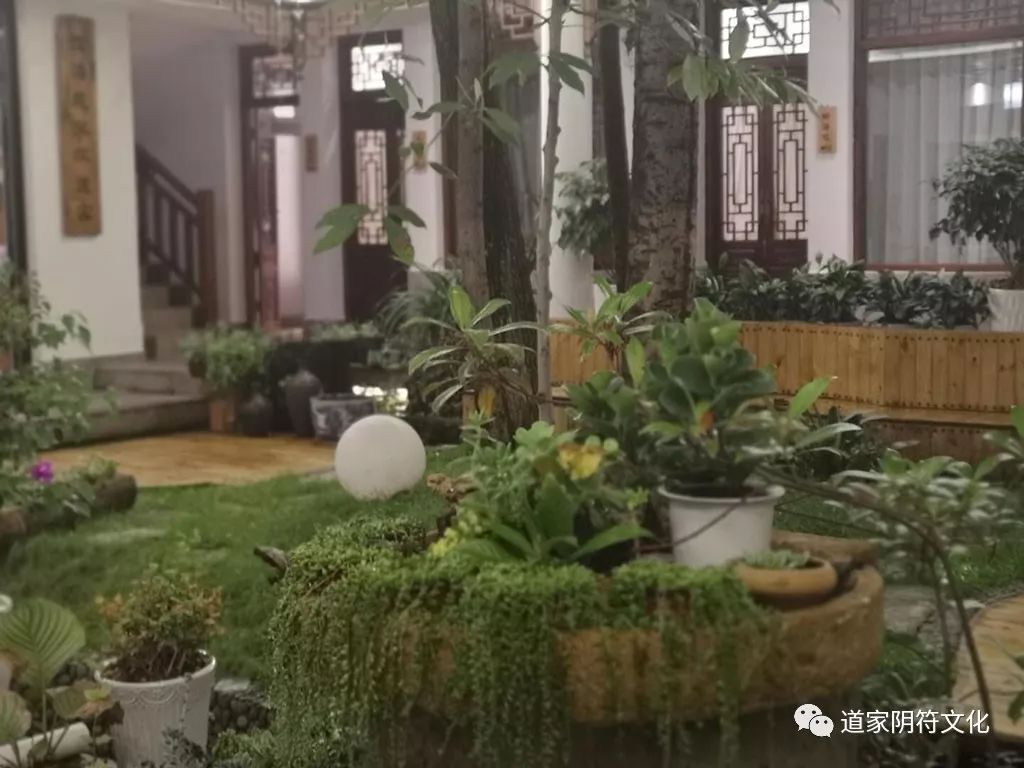
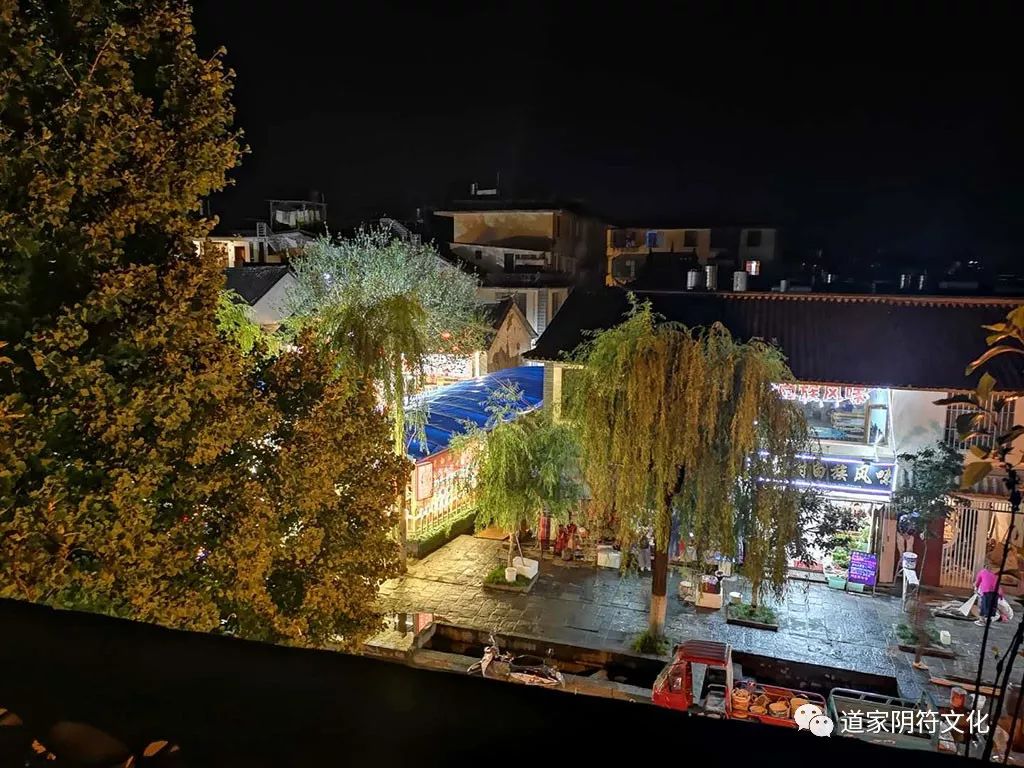 Because we arrived rather late, we randomly found an inn to stay in. It was a small place, but the lobby was surprisingly interesting—most inns in Dali seem to be like that, each with its own character.
The next day everyone headed straight for Erhai Lake. According to online guides, Shuanglang is the most beautiful spot, so that was our choice.
Shuanglang is famous not only for its beauty, but also because Yang Liping opened an art hotel here. The hotel sits on the shore of Erhai, with a lowest listed rate of 3,500 yuan per night; however, after Erhai was designated for a thorough ecological protection overhaul, it has now been shut down.
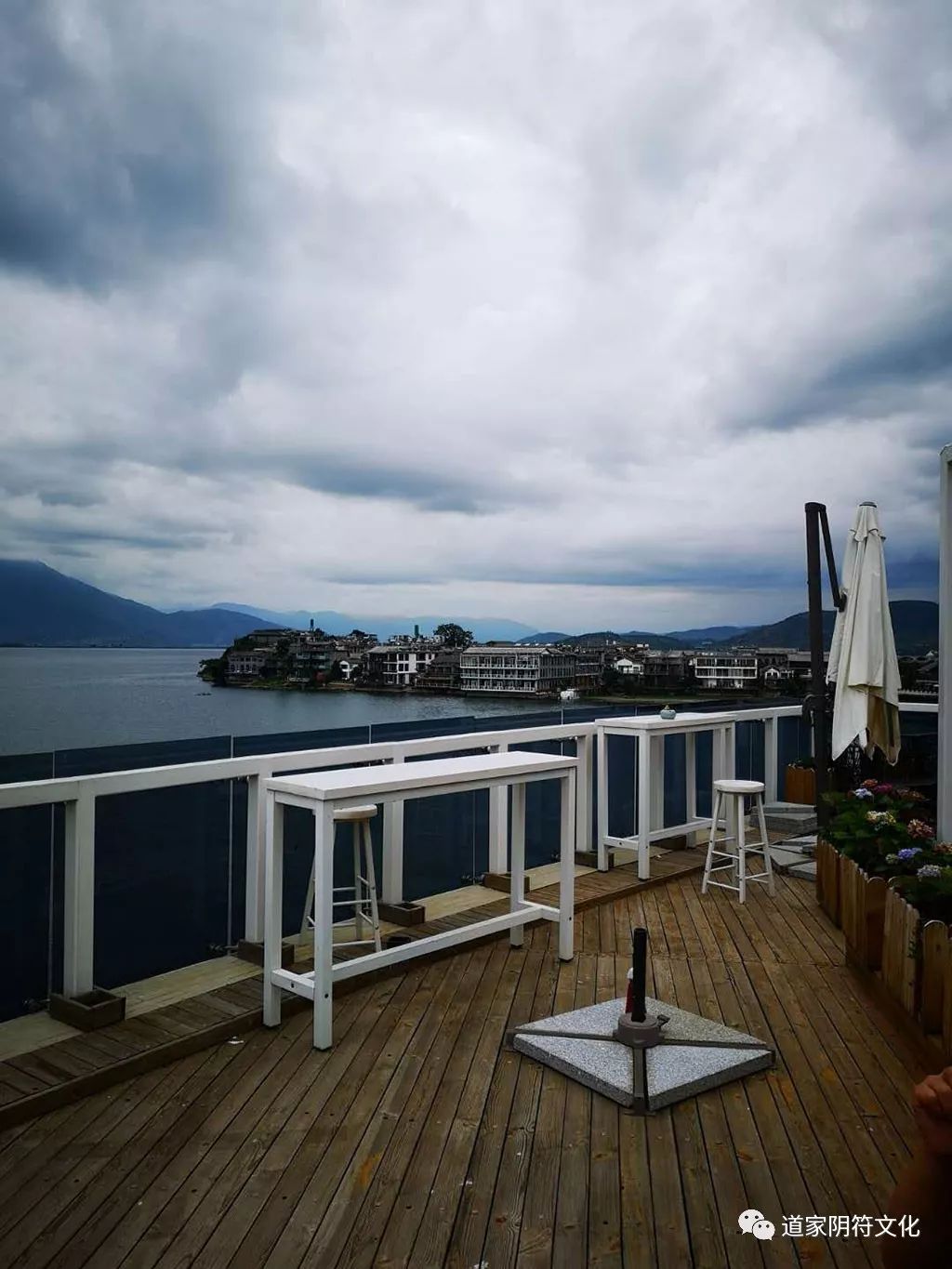
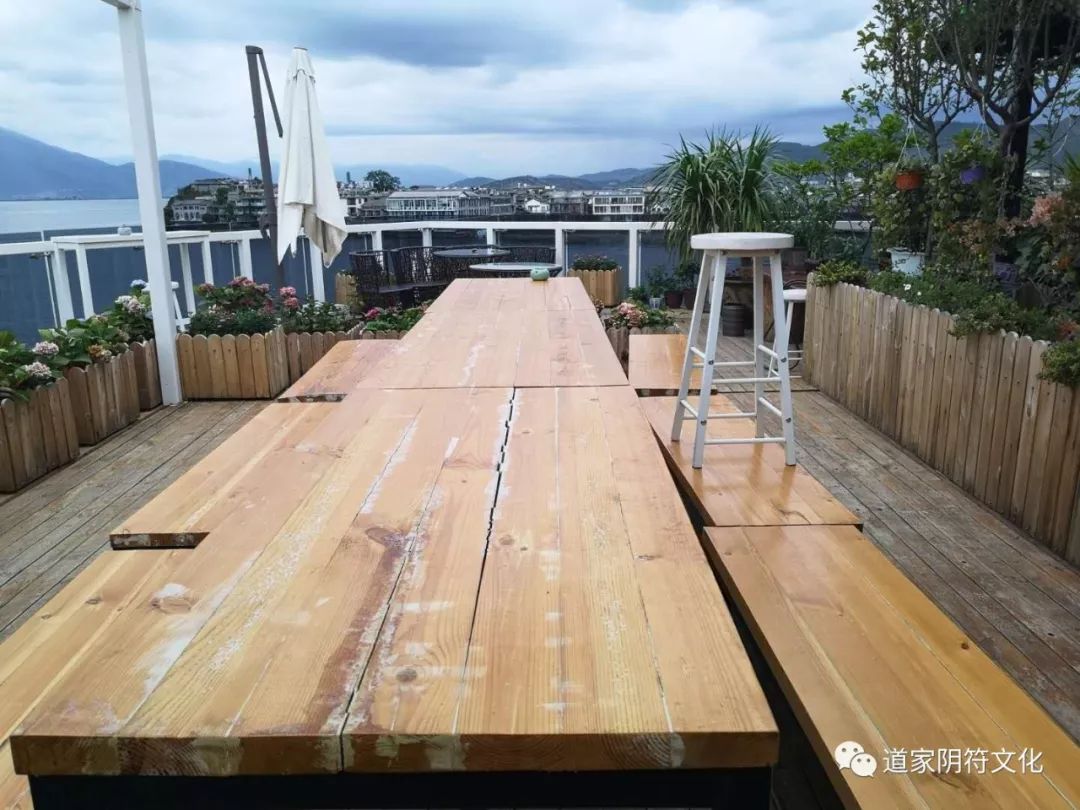
On the shore of Erhai, we randomly found an inn and settled in, and were surprised to discover that the rooftop terrace was lovely.
Because we arrived rather late, we randomly found an inn to stay in. It was a small place, but the lobby was surprisingly interesting—most inns in Dali seem to be like that, each with its own character.
The next day everyone headed straight for Erhai Lake. According to online guides, Shuanglang is the most beautiful spot, so that was our choice.
Shuanglang is famous not only for its beauty, but also because Yang Liping opened an art hotel here. The hotel sits on the shore of Erhai, with a lowest listed rate of 3,500 yuan per night; however, after Erhai was designated for a thorough ecological protection overhaul, it has now been shut down.
On the shore of Erhai, we randomly found an inn and settled in, and were surprised to discover that the rooftop terrace was lovely.
 After dropping off our luggage, everyone planned to get some food. The inn's front desk recommended a place called Ancient Banyan Fish Farm for its excellent sour-soup fish.
It was only a short walk ahead: turn left into an alley and there was a small snack shop by a banyan tree selling fried potatoes, grilled fish, and the like. The shop seemed to have no signboard and looked to have few customers; when we went to buy fried potatoes, the owner did not actively invite us in for a meal.
So we walked right past it without much notice. This was in fact the place the innkeeper had recommended for sour-soup fish—but nobody recognized it.
A short way on was a shop with five-star ratings near the top on Dianping, called Corner of Time and Food (Zhuanjiao Shiguang). Compared with its surroundings, the interior was clearly much nicer.
After ordering a few things at random, we felt the prices were not low, but the food was genuinely good.
Because the weather was rather overcast—and the forecast for Dali had been saying it would rain the whole time—I (this humble priest) only wanted, after eating, to return to the inn's terrace, gaze over Lake Erhai, lounge lazily in a chair, listen to the wind, and drink some tea.
After dropping off our luggage, everyone planned to get some food. The inn's front desk recommended a place called Ancient Banyan Fish Farm for its excellent sour-soup fish.
It was only a short walk ahead: turn left into an alley and there was a small snack shop by a banyan tree selling fried potatoes, grilled fish, and the like. The shop seemed to have no signboard and looked to have few customers; when we went to buy fried potatoes, the owner did not actively invite us in for a meal.
So we walked right past it without much notice. This was in fact the place the innkeeper had recommended for sour-soup fish—but nobody recognized it.
A short way on was a shop with five-star ratings near the top on Dianping, called Corner of Time and Food (Zhuanjiao Shiguang). Compared with its surroundings, the interior was clearly much nicer.
After ordering a few things at random, we felt the prices were not low, but the food was genuinely good.
Because the weather was rather overcast—and the forecast for Dali had been saying it would rain the whole time—I (this humble priest) only wanted, after eating, to return to the inn's terrace, gaze over Lake Erhai, lounge lazily in a chair, listen to the wind, and drink some tea.
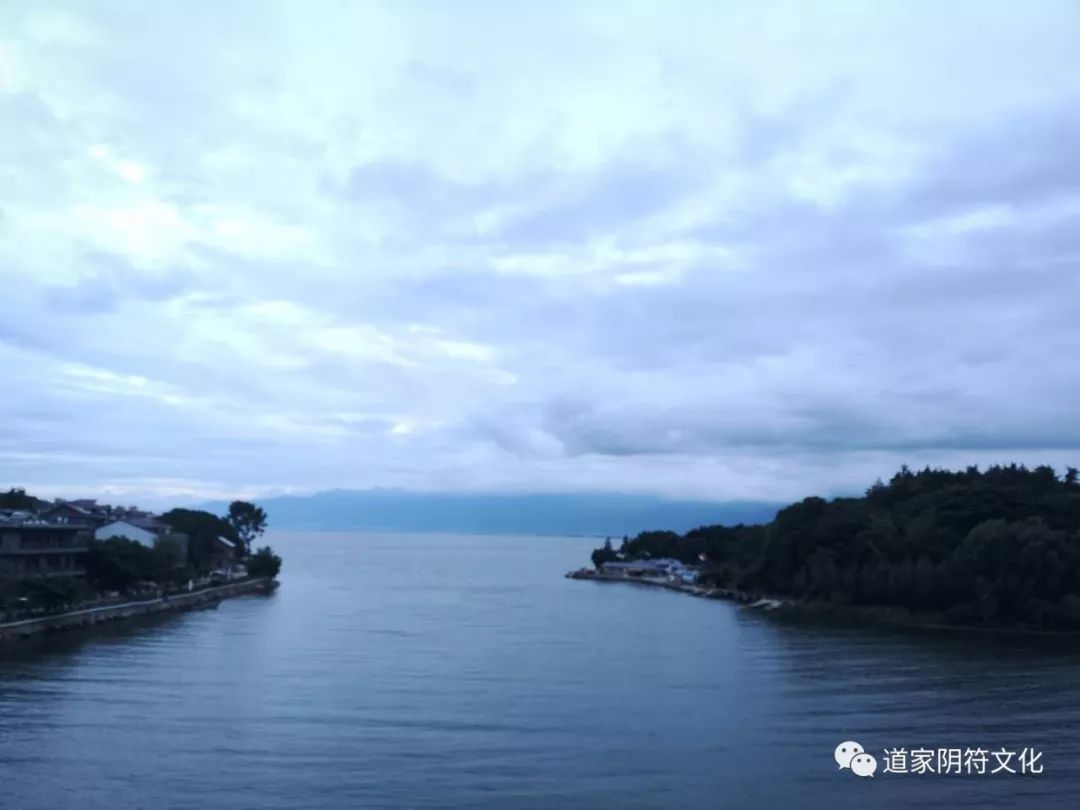 But perhaps Heaven did not want everyone idle and put on a show instead: the cloud cover split open and sunlight poured down. What happened to the promised rain? So I chose to cycle around the lake.
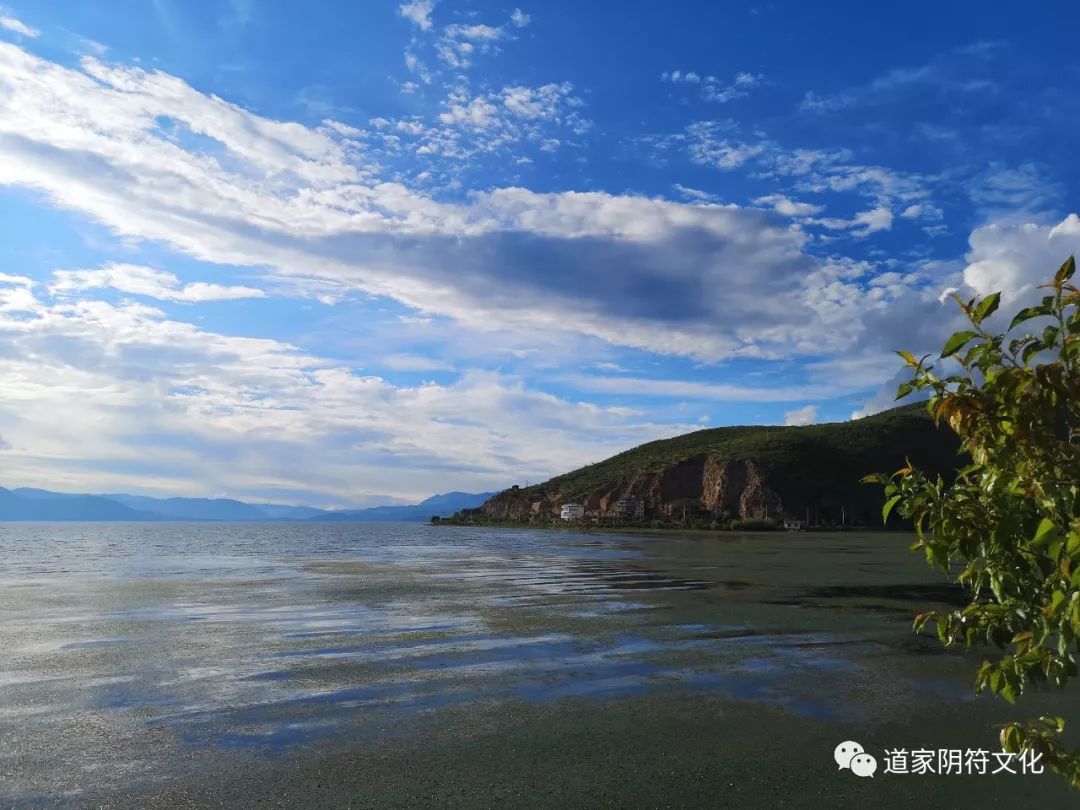
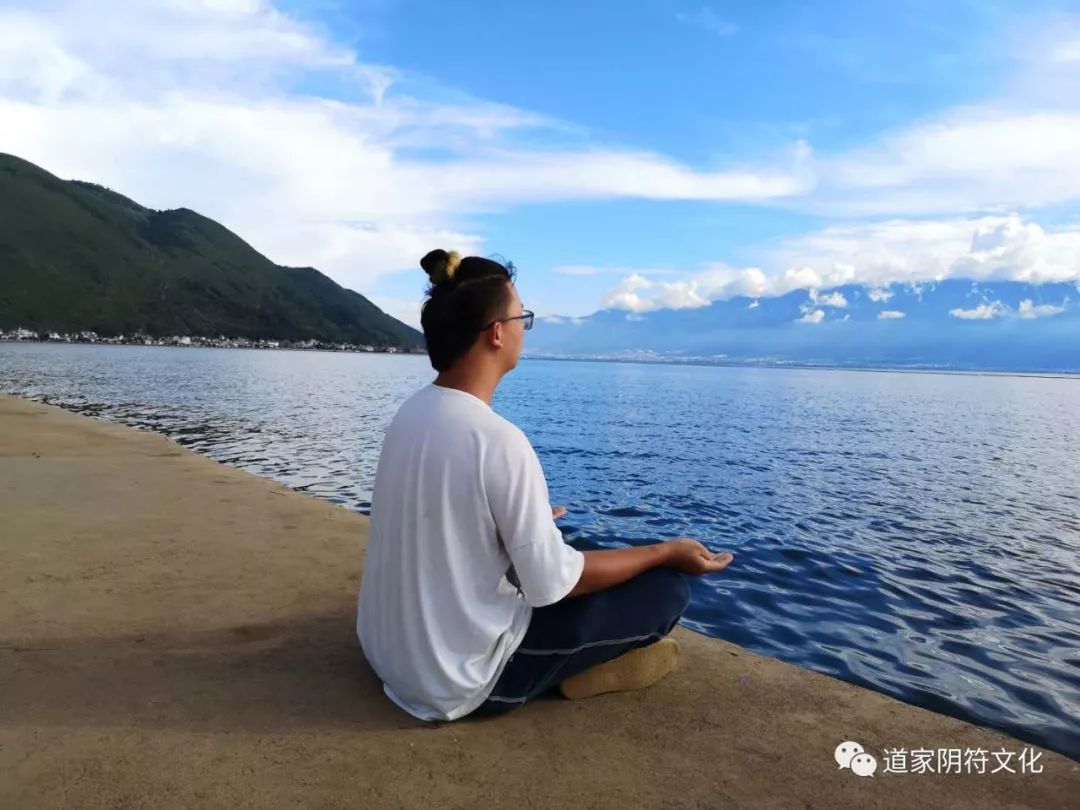
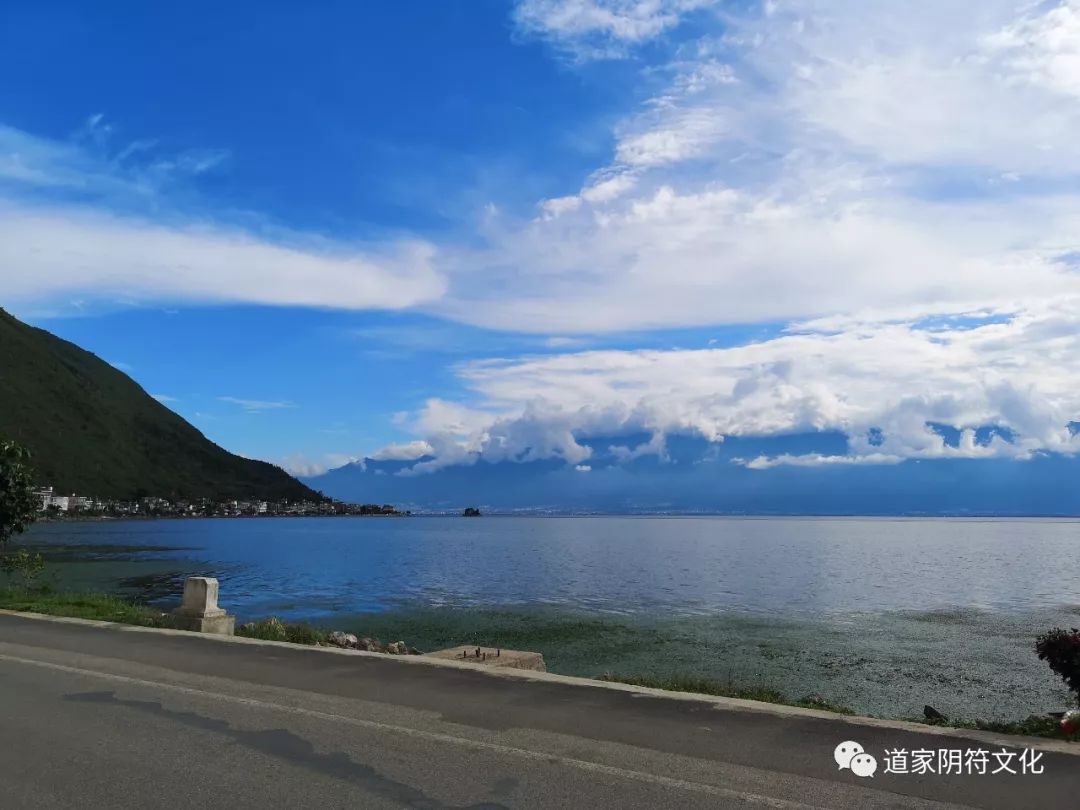 Along the way we constantly stopped for photos, eyes unable to take it all in. Had I not already gathered and refined even lovelier landscapes of mountains and water, I would truly have wanted to gather and refine this one as well.
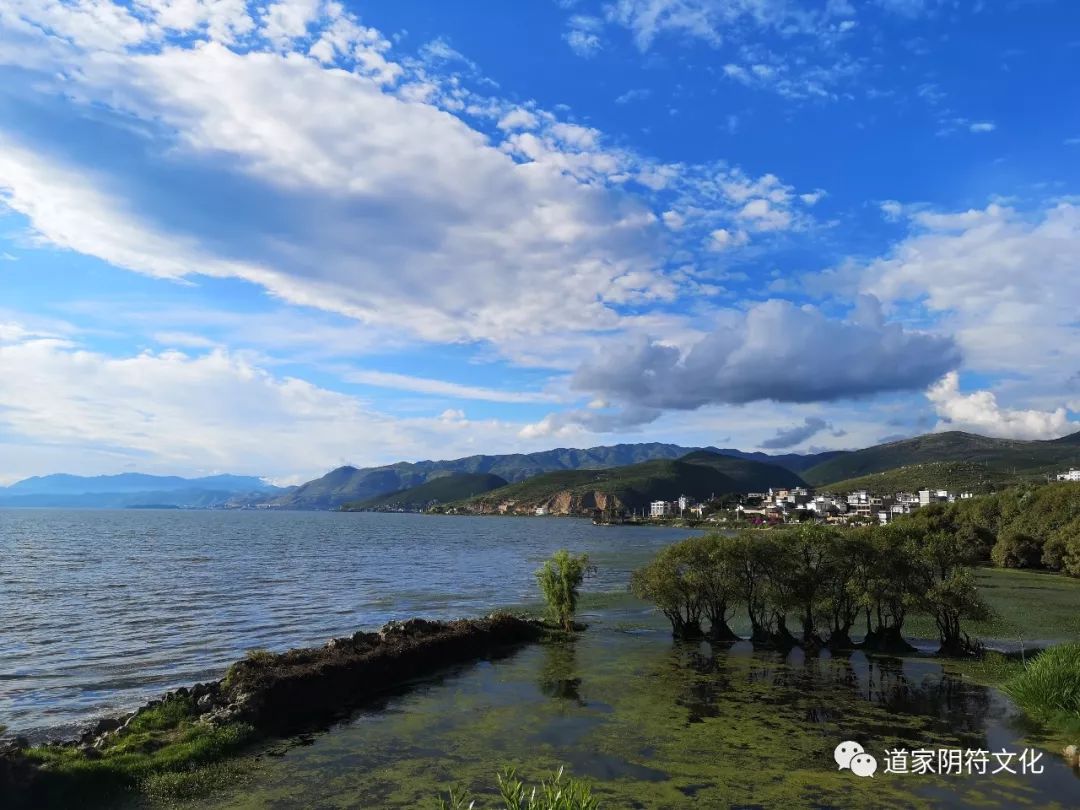
 After cycling for a while, we reached a place called Wase Town. As other innkeepers told it, Shuanglang mainly serves out-of-town tourists, and food and lodging prices there are both quite high.
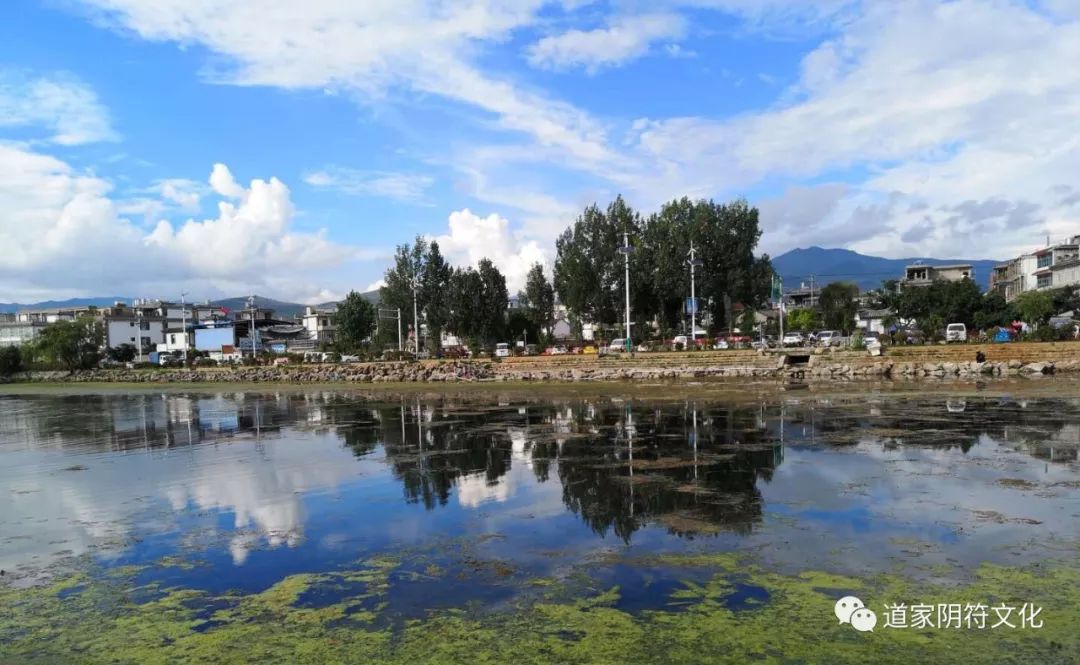 Near Wase Town things are much cheaper: for example, rice noodles that cost ten-odd yuan in Shuanglang are only six or seven there.
When we asked what a month's lodging cost, the owner said it depended on the room type—around three or four thousand yuan, and if one really wanted to stay, it was negotiable with a discount available.
This is truly a fine place for a leisurely holiday; after all, renting an apartment for a month in a first-tier city costs far more than that.
On the way back the sky was already darkening. Having not wandered the town, we didn't know what else was on offer for food, so we still planned to go back to Corner of Time and Food.
Near Wase Town things are much cheaper: for example, rice noodles that cost ten-odd yuan in Shuanglang are only six or seven there.
When we asked what a month's lodging cost, the owner said it depended on the room type—around three or four thousand yuan, and if one really wanted to stay, it was negotiable with a discount available.
This is truly a fine place for a leisurely holiday; after all, renting an apartment for a month in a first-tier city costs far more than that.
On the way back the sky was already darkening. Having not wandered the town, we didn't know what else was on offer for food, so we still planned to go back to Corner of Time and Food.
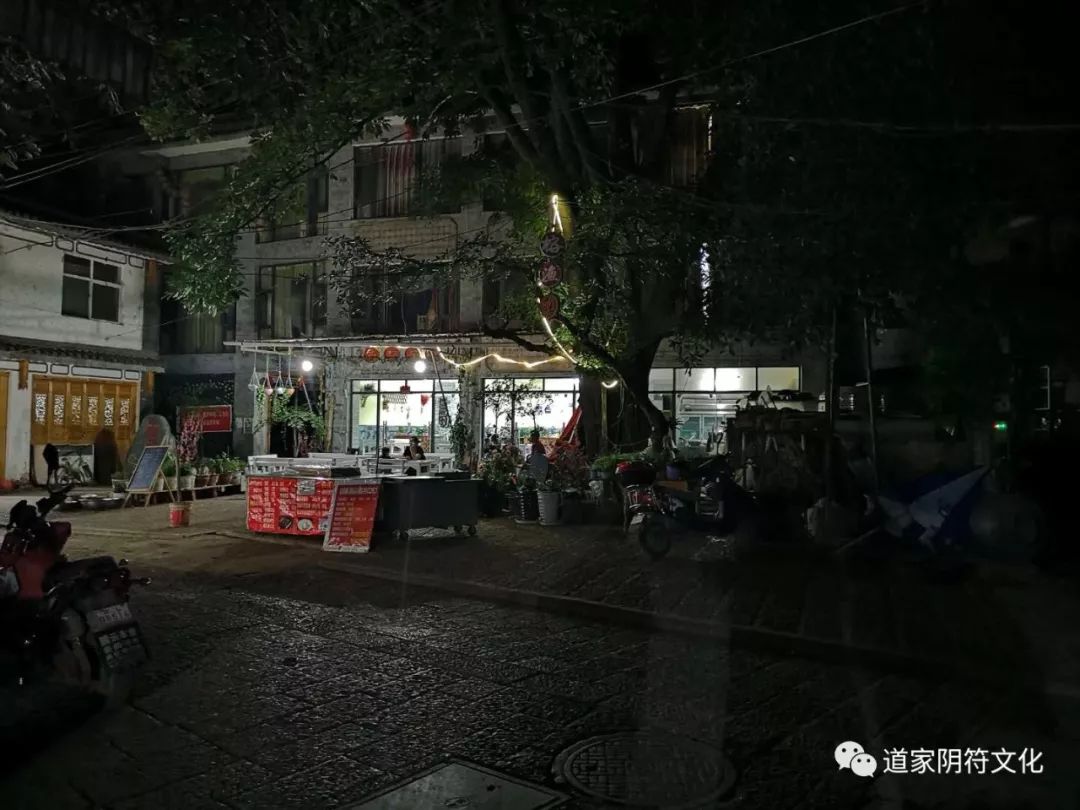 On the return path we were surprised to discover that the shop we had passed at lunchtime was indeed the one the innkeeper had recommended for good sour-soup fish.
It did have a signboard—hung on the great banyan tree—but hung so high that it was very easy to overlook.
Curiously, we went in for a look. We were about to sit down when the proprietress produced a piece of paper listing several kinds of fish and said there was no menu; with not a single other customer in the shop, we felt it was rather unreliable.
On the return path we were surprised to discover that the shop we had passed at lunchtime was indeed the one the innkeeper had recommended for good sour-soup fish.
It did have a signboard—hung on the great banyan tree—but hung so high that it was very easy to overlook.
Curiously, we went in for a look. We were about to sit down when the proprietress produced a piece of paper listing several kinds of fish and said there was no menu; with not a single other customer in the shop, we felt it was rather unreliable.
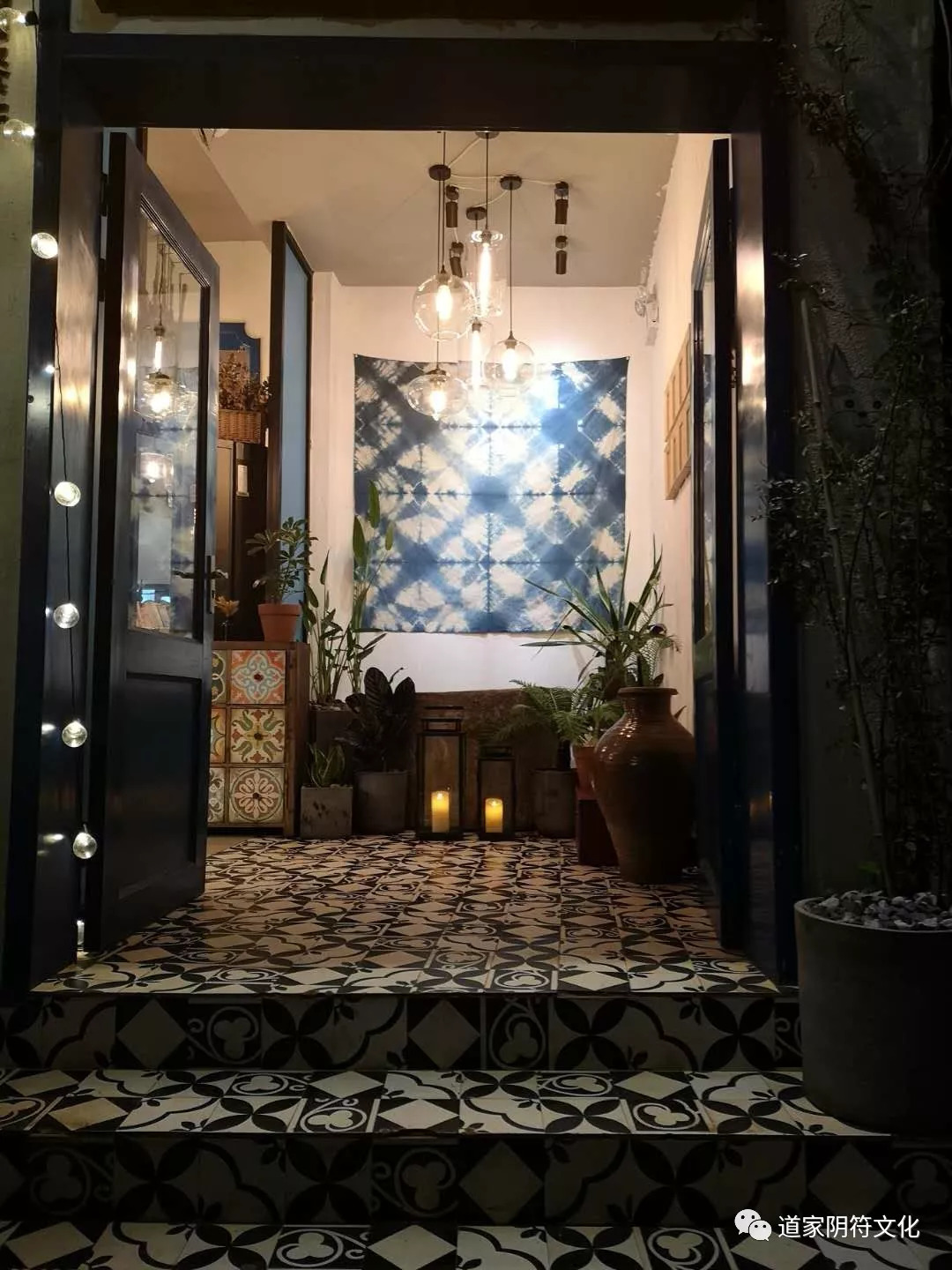 True to our original intention, we still chose Corner of Time and Food. Coming out after the meal, I suddenly noticed the feng shui of this place was quite interesting.
By the entrance, the items on display covered metal, wood, water, fire, and earth—all five phases complete. Yet when I carefully tallied how each was placed, I found the flow of qi still somewhat obstructed, and it did not look like the careful work of a master following proper methods. I couldn't tell at once whether the owner had simply stacked things for looks and been lucky, or had actually sought guidance.
Most noteworthy: in front of the hall, water pours straight out—a rather poor configuration. Ordinarily, one would say a shop in that situation would do poorly; yet this is a five-star Dianping shop, and business is still quite good.
So I had everyone take compass readings: the sitting mountain of the main gate was Xu merging with Xin; incoming water on left and right at Yin and Ding; then water ran straight out from Chen. The stairs, however, twisted, and at Qian merging with Xu met empty void to connect the qi.
By the Ai Xing feng shui method, one can deduce that through empty void the incoming and outgoing waters are made to accord. The empty-void design is quite ingenious: it avoids the affliction of water pouring straight from the front hall, and Xin turns into Xu so the two further combine.
Of course empty void does not mean it can be used casually; but this shop is filled everywhere with Jia Ma motifs as artworks, which serve an auxiliary role of seeking like qi with like.
By the way, in Daoism, Jia Ma originally meant jia and ma—that is, soldiers and horses—and nothing else was mixed in. But in folk custom outside Daoism, paper offerings and Jia Ma got conflated.
In Yunnan local custom, for example, these depictions of deities and spirits used in sacrifice are all collectively called Jia Ma. This probably relates to Qing dynasty practices, when images of Zhong Kui, Kuixing, Guanyin of Child-bestowing, Marshal Zhao, and so on also began to be called Jia Ma; burning them was believed to summon the corresponding deity's protection.
Some Jia Ma are not pure Jia Ma either: talismans are often drawn on them, and some even reprint talisman seals used in Daoist temples, also calling them Jia Ma.
These are confusions of naming.
At night, everyone sat on the rooftop chatting, thoroughly enjoying themselves.
The next day, everyone decided to try that sour-soup fish place after all—since we were already here.
Walking into the shop, the owner, as unreliable as ever, handed over a piece of paper and asked what we wanted to eat. We asked where the menu was; the proprietress led us straight to the cabinet doors and told us to look for ourselves.
Then we asked which fish had few bones. The proprietress said bowfish (gongyu).
Sitting down, we Baidu'd on our phones and discovered that bowfish is a national second-class protected wild animal, and fishing for it in Erhai has already been banned.
We asked the proprietress whether this wasn't banned—where did the fish come from?
With enigmatic air, she answered: we caught them at night.
I immediately hesitated—this really didn't seem like something one should eat. But seeing that the fish had already been sent to the kitchen for a long while, it was too late to regret; one could only go with the flow and make the best of it.
I was somewhat uneasy at first; only later did I learn these were all routines. Pingpo Village at the foot of Cangshan in Dali has a bowfish aquaculture base, and these merchants buy from there.
True to our original intention, we still chose Corner of Time and Food. Coming out after the meal, I suddenly noticed the feng shui of this place was quite interesting.
By the entrance, the items on display covered metal, wood, water, fire, and earth—all five phases complete. Yet when I carefully tallied how each was placed, I found the flow of qi still somewhat obstructed, and it did not look like the careful work of a master following proper methods. I couldn't tell at once whether the owner had simply stacked things for looks and been lucky, or had actually sought guidance.
Most noteworthy: in front of the hall, water pours straight out—a rather poor configuration. Ordinarily, one would say a shop in that situation would do poorly; yet this is a five-star Dianping shop, and business is still quite good.
So I had everyone take compass readings: the sitting mountain of the main gate was Xu merging with Xin; incoming water on left and right at Yin and Ding; then water ran straight out from Chen. The stairs, however, twisted, and at Qian merging with Xu met empty void to connect the qi.
By the Ai Xing feng shui method, one can deduce that through empty void the incoming and outgoing waters are made to accord. The empty-void design is quite ingenious: it avoids the affliction of water pouring straight from the front hall, and Xin turns into Xu so the two further combine.
Of course empty void does not mean it can be used casually; but this shop is filled everywhere with Jia Ma motifs as artworks, which serve an auxiliary role of seeking like qi with like.
By the way, in Daoism, Jia Ma originally meant jia and ma—that is, soldiers and horses—and nothing else was mixed in. But in folk custom outside Daoism, paper offerings and Jia Ma got conflated.
In Yunnan local custom, for example, these depictions of deities and spirits used in sacrifice are all collectively called Jia Ma. This probably relates to Qing dynasty practices, when images of Zhong Kui, Kuixing, Guanyin of Child-bestowing, Marshal Zhao, and so on also began to be called Jia Ma; burning them was believed to summon the corresponding deity's protection.
Some Jia Ma are not pure Jia Ma either: talismans are often drawn on them, and some even reprint talisman seals used in Daoist temples, also calling them Jia Ma.
These are confusions of naming.
At night, everyone sat on the rooftop chatting, thoroughly enjoying themselves.
The next day, everyone decided to try that sour-soup fish place after all—since we were already here.
Walking into the shop, the owner, as unreliable as ever, handed over a piece of paper and asked what we wanted to eat. We asked where the menu was; the proprietress led us straight to the cabinet doors and told us to look for ourselves.
Then we asked which fish had few bones. The proprietress said bowfish (gongyu).
Sitting down, we Baidu'd on our phones and discovered that bowfish is a national second-class protected wild animal, and fishing for it in Erhai has already been banned.
We asked the proprietress whether this wasn't banned—where did the fish come from?
With enigmatic air, she answered: we caught them at night.
I immediately hesitated—this really didn't seem like something one should eat. But seeing that the fish had already been sent to the kitchen for a long while, it was too late to regret; one could only go with the flow and make the best of it.
I was somewhat uneasy at first; only later did I learn these were all routines. Pingpo Village at the foot of Cangshan in Dali has a bowfish aquaculture base, and these merchants buy from there.
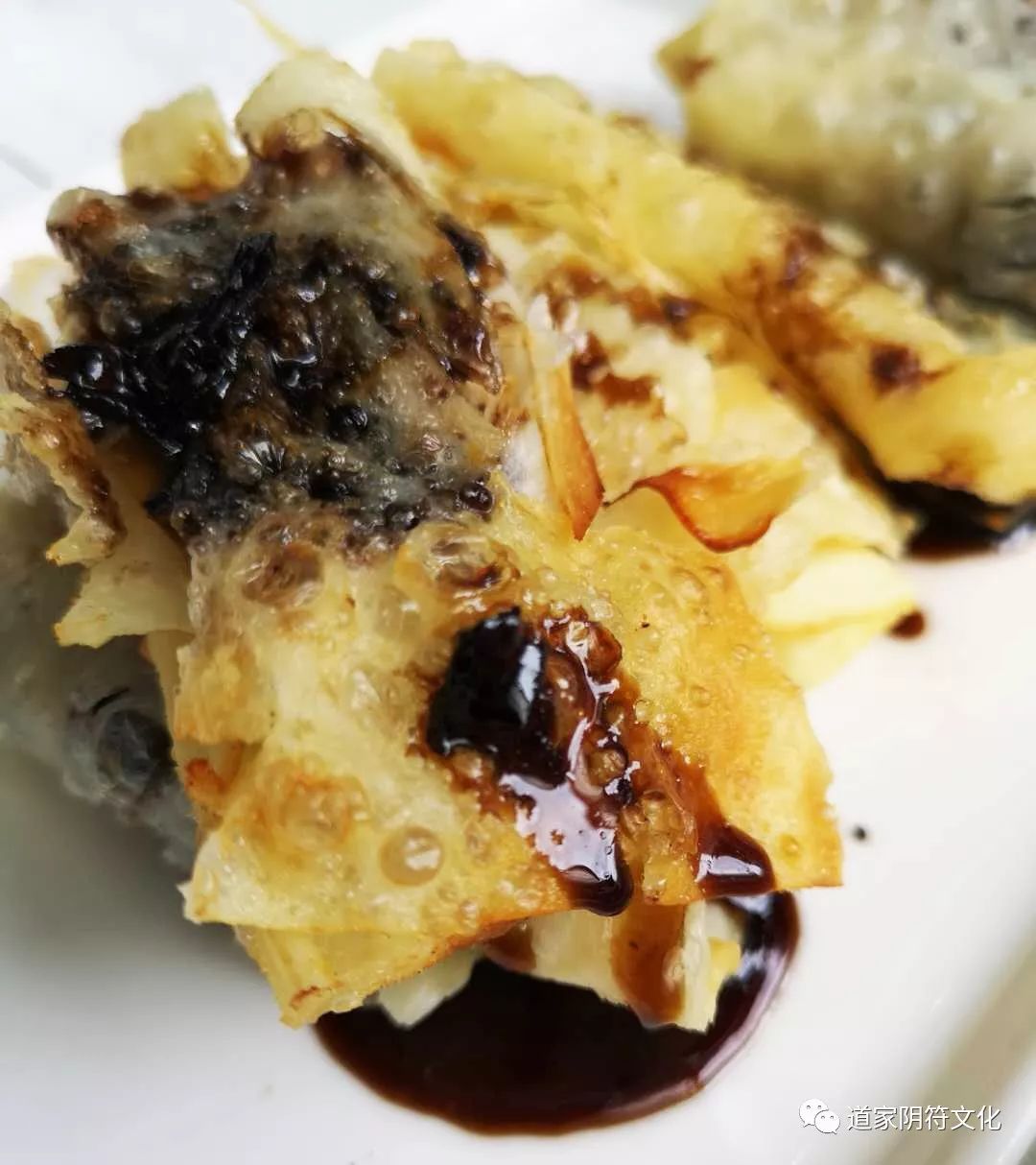 I must say the food here was quite good and the prices fair; the milk fan in particular was extremely tasty. But why did no one come?
A student who came along went to the shop entrance and took compass readings, and found that the great banyan outside could have served as a feng shui tree, but the rain canopy the owner had built ruined it.
Clearly the shop had once done well, and only started failing after the canopy went up. To confirm, I sent him to ask the owner.
As it turned out, after the shop opened, business had been good—so crowded people couldn't sit down, with no room; and there was still a large empty stretch outside. So the owner built a rain canopy.
After the canopy went up, the urban management officers (chengguan) were displeased, said it was illegal construction, and demanded it be torn down. The owner refused, so the chengguan tried to tear it down themselves. As they did, a large branch suddenly fell from the banyan at the entrance and hit them. Frightened, they gave up and stopped tearing it down—because locally everyone believes such great banyan trees are spiritual.
Still, from then on the shop gradually lost its business, and the owner had no idea what was going on.
Hearing this, I went to look at the great banyan at the entrance and immediately understood.
The restaurant kitchen door faced the banyan, and whenever the fire was lit, smoke would inevitably waft onto the tree. After the canopy was built and feng shui was damaged so business vanished, the banyan was also spared the smoke. So when the chengguan came to tear it down, the tree just happened to drop a branch; and since the canopy could not be torn down, business naturally could not pick up again.
As for a solution, it is really simple—just pay attention to harmonious coexistence between people and nature.
If this shop can deal with the cooking smoke so it no longer fumigates the banyan, and then remove the canopy, its business is certain to prosper again.
But before the banyan, I sensed that things should remain as they are, so I told everyone not to meddle—just know it in their own hearts.
Back at the inn, we lounged on the rooftop for a while, then took an afternoon flight away.
I must say the food here was quite good and the prices fair; the milk fan in particular was extremely tasty. But why did no one come?
A student who came along went to the shop entrance and took compass readings, and found that the great banyan outside could have served as a feng shui tree, but the rain canopy the owner had built ruined it.
Clearly the shop had once done well, and only started failing after the canopy went up. To confirm, I sent him to ask the owner.
As it turned out, after the shop opened, business had been good—so crowded people couldn't sit down, with no room; and there was still a large empty stretch outside. So the owner built a rain canopy.
After the canopy went up, the urban management officers (chengguan) were displeased, said it was illegal construction, and demanded it be torn down. The owner refused, so the chengguan tried to tear it down themselves. As they did, a large branch suddenly fell from the banyan at the entrance and hit them. Frightened, they gave up and stopped tearing it down—because locally everyone believes such great banyan trees are spiritual.
Still, from then on the shop gradually lost its business, and the owner had no idea what was going on.
Hearing this, I went to look at the great banyan at the entrance and immediately understood.
The restaurant kitchen door faced the banyan, and whenever the fire was lit, smoke would inevitably waft onto the tree. After the canopy was built and feng shui was damaged so business vanished, the banyan was also spared the smoke. So when the chengguan came to tear it down, the tree just happened to drop a branch; and since the canopy could not be torn down, business naturally could not pick up again.
As for a solution, it is really simple—just pay attention to harmonious coexistence between people and nature.
If this shop can deal with the cooking smoke so it no longer fumigates the banyan, and then remove the canopy, its business is certain to prosper again.
But before the banyan, I sensed that things should remain as they are, so I told everyone not to meddle—just know it in their own hearts.
Back at the inn, we lounged on the rooftop for a while, then took an afternoon flight away.
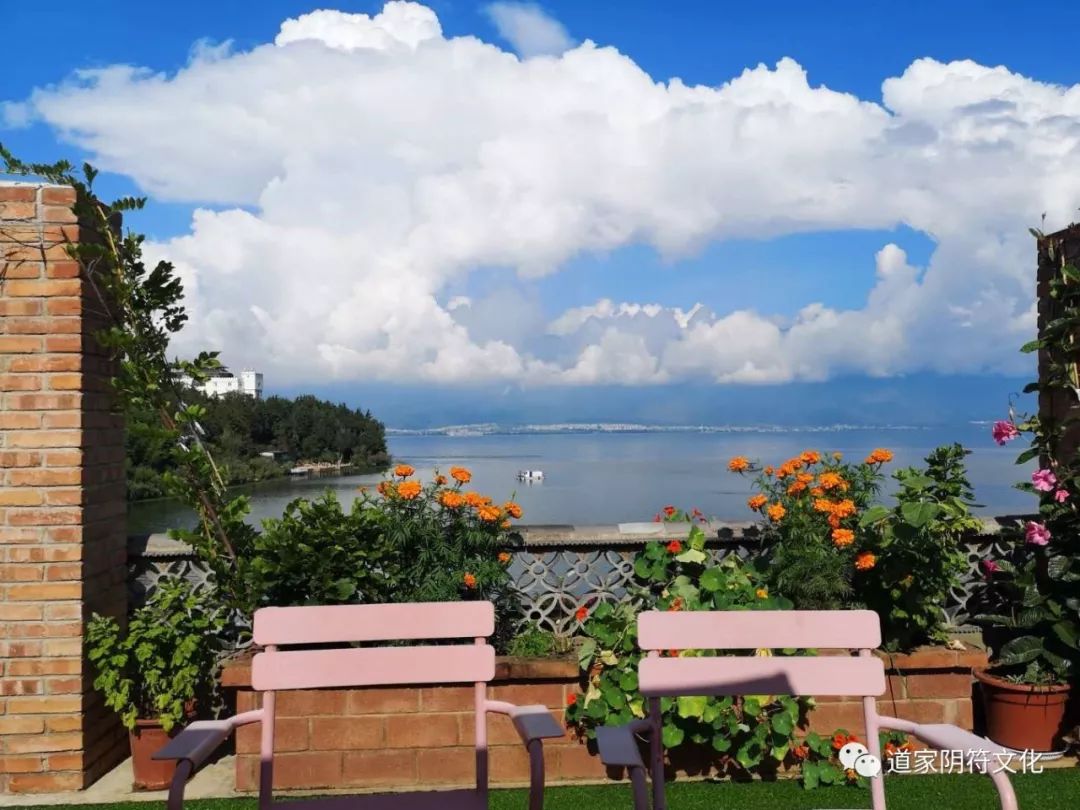
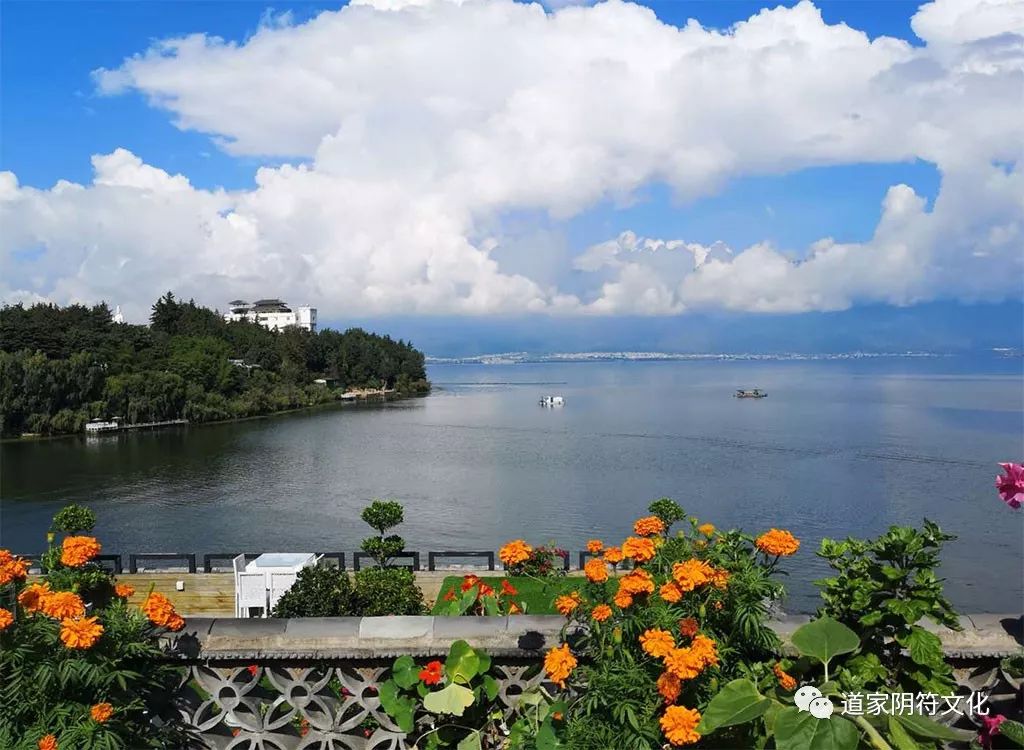
The Dali Ancient City is quite pretty: aside from being so commercialized that it barely seems like an old town, it has every element an ancient city ought to have.
Because we arrived rather late, we randomly found an inn to stay in. It was a small place, but the lobby was surprisingly interesting—most inns in Dali seem to be like that, each with its own character.
The next day everyone headed straight for Erhai Lake. According to online guides, Shuanglang is the most beautiful spot, so that was our choice.
Shuanglang is famous not only for its beauty, but also because Yang Liping opened an art hotel here. The hotel sits on the shore of Erhai, with a lowest listed rate of 3,500 yuan per night; however, after Erhai was designated for a thorough ecological protection overhaul, it has now been shut down.
On the shore of Erhai, we randomly found an inn and settled in, and were surprised to discover that the rooftop terrace was lovely.
After dropping off our luggage, everyone planned to get some food. The inn's front desk recommended a place called Ancient Banyan Fish Farm for its excellent sour-soup fish.
It was only a short walk ahead: turn left into an alley and there was a small snack shop by a banyan tree selling fried potatoes, grilled fish, and the like. The shop seemed to have no signboard and looked to have few customers; when we went to buy fried potatoes, the owner did not actively invite us in for a meal.
So we walked right past it without much notice. This was in fact the place the innkeeper had recommended for sour-soup fish—but nobody recognized it.
A short way on was a shop with five-star ratings near the top on Dianping, called Corner of Time and Food (Zhuanjiao Shiguang). Compared with its surroundings, the interior was clearly much nicer.
After ordering a few things at random, we felt the prices were not low, but the food was genuinely good.
Because the weather was rather overcast—and the forecast for Dali had been saying it would rain the whole time—I (this humble priest) only wanted, after eating, to return to the inn's terrace, gaze over Lake Erhai, lounge lazily in a chair, listen to the wind, and drink some tea.
But perhaps Heaven did not want everyone idle and put on a show instead: the cloud cover split open and sunlight poured down. What happened to the promised rain? So I chose to cycle around the lake.
Along the way we constantly stopped for photos, eyes unable to take it all in. Had I not already gathered and refined even lovelier landscapes of mountains and water, I would truly have wanted to gather and refine this one as well.
After cycling for a while, we reached a place called Wase Town. As other innkeepers told it, Shuanglang mainly serves out-of-town tourists, and food and lodging prices there are both quite high.
Near Wase Town things are much cheaper: for example, rice noodles that cost ten-odd yuan in Shuanglang are only six or seven there.
When we asked what a month's lodging cost, the owner said it depended on the room type—around three or four thousand yuan, and if one really wanted to stay, it was negotiable with a discount available.
This is truly a fine place for a leisurely holiday; after all, renting an apartment for a month in a first-tier city costs far more than that.
On the way back the sky was already darkening. Having not wandered the town, we didn't know what else was on offer for food, so we still planned to go back to Corner of Time and Food.
On the return path we were surprised to discover that the shop we had passed at lunchtime was indeed the one the innkeeper had recommended for good sour-soup fish.
It did have a signboard—hung on the great banyan tree—but hung so high that it was very easy to overlook.
Curiously, we went in for a look. We were about to sit down when the proprietress produced a piece of paper listing several kinds of fish and said there was no menu; with not a single other customer in the shop, we felt it was rather unreliable.
True to our original intention, we still chose Corner of Time and Food. Coming out after the meal, I suddenly noticed the feng shui of this place was quite interesting.
By the entrance, the items on display covered metal, wood, water, fire, and earth—all five phases complete. Yet when I carefully tallied how each was placed, I found the flow of qi still somewhat obstructed, and it did not look like the careful work of a master following proper methods. I couldn't tell at once whether the owner had simply stacked things for looks and been lucky, or had actually sought guidance.
Most noteworthy: in front of the hall, water pours straight out—a rather poor configuration. Ordinarily, one would say a shop in that situation would do poorly; yet this is a five-star Dianping shop, and business is still quite good.
So I had everyone take compass readings: the sitting mountain of the main gate was Xu merging with Xin; incoming water on left and right at Yin and Ding; then water ran straight out from Chen. The stairs, however, twisted, and at Qian merging with Xu met empty void to connect the qi.
By the Ai Xing feng shui method, one can deduce that through empty void the incoming and outgoing waters are made to accord. The empty-void design is quite ingenious: it avoids the affliction of water pouring straight from the front hall, and Xin turns into Xu so the two further combine.
Of course empty void does not mean it can be used casually; but this shop is filled everywhere with Jia Ma motifs as artworks, which serve an auxiliary role of seeking like qi with like.
By the way, in Daoism, Jia Ma originally meant jia and ma—that is, soldiers and horses—and nothing else was mixed in. But in folk custom outside Daoism, paper offerings and Jia Ma got conflated.
In Yunnan local custom, for example, these depictions of deities and spirits used in sacrifice are all collectively called Jia Ma. This probably relates to Qing dynasty practices, when images of Zhong Kui, Kuixing, Guanyin of Child-bestowing, Marshal Zhao, and so on also began to be called Jia Ma; burning them was believed to summon the corresponding deity's protection.
Some Jia Ma are not pure Jia Ma either: talismans are often drawn on them, and some even reprint talisman seals used in Daoist temples, also calling them Jia Ma.
These are confusions of naming.
At night, everyone sat on the rooftop chatting, thoroughly enjoying themselves.
The next day, everyone decided to try that sour-soup fish place after all—since we were already here.
Walking into the shop, the owner, as unreliable as ever, handed over a piece of paper and asked what we wanted to eat. We asked where the menu was; the proprietress led us straight to the cabinet doors and told us to look for ourselves.
Then we asked which fish had few bones. The proprietress said bowfish (gongyu).
Sitting down, we Baidu'd on our phones and discovered that bowfish is a national second-class protected wild animal, and fishing for it in Erhai has already been banned.
We asked the proprietress whether this wasn't banned—where did the fish come from?
With enigmatic air, she answered: we caught them at night.
I immediately hesitated—this really didn't seem like something one should eat. But seeing that the fish had already been sent to the kitchen for a long while, it was too late to regret; one could only go with the flow and make the best of it.
I was somewhat uneasy at first; only later did I learn these were all routines. Pingpo Village at the foot of Cangshan in Dali has a bowfish aquaculture base, and these merchants buy from there.
I must say the food here was quite good and the prices fair; the milk fan in particular was extremely tasty. But why did no one come?
A student who came along went to the shop entrance and took compass readings, and found that the great banyan outside could have served as a feng shui tree, but the rain canopy the owner had built ruined it.
Clearly the shop had once done well, and only started failing after the canopy went up. To confirm, I sent him to ask the owner.
As it turned out, after the shop opened, business had been good—so crowded people couldn't sit down, with no room; and there was still a large empty stretch outside. So the owner built a rain canopy.
After the canopy went up, the urban management officers (chengguan) were displeased, said it was illegal construction, and demanded it be torn down. The owner refused, so the chengguan tried to tear it down themselves. As they did, a large branch suddenly fell from the banyan at the entrance and hit them. Frightened, they gave up and stopped tearing it down—because locally everyone believes such great banyan trees are spiritual.
Still, from then on the shop gradually lost its business, and the owner had no idea what was going on.
Hearing this, I went to look at the great banyan at the entrance and immediately understood.
The restaurant kitchen door faced the banyan, and whenever the fire was lit, smoke would inevitably waft onto the tree. After the canopy was built and feng shui was damaged so business vanished, the banyan was also spared the smoke. So when the chengguan came to tear it down, the tree just happened to drop a branch; and since the canopy could not be torn down, business naturally could not pick up again.
As for a solution, it is really simple—just pay attention to harmonious coexistence between people and nature.
If this shop can deal with the cooking smoke so it no longer fumigates the banyan, and then remove the canopy, its business is certain to prosper again.
But before the banyan, I sensed that things should remain as they are, so I told everyone not to meddle—just know it in their own hearts.
Back at the inn, we lounged on the rooftop for a while, then took an afternoon flight away.