On the Folk Syndrome of Infant Night Crying Known as 'Pig Hair Wind' (Also Called Pig Hair Sha) and Its Treatment Principles
Pig Hair Wind is a folk term; it does not appear in formal medicine, meaning neither Traditional Chinese Medicine nor Western Medicine recognizes this condition. Since it poses no major harm, it naturally disappears as the child grows older.
Its symptoms mainly appear in newborns. At night, when the infant is trying to sleep, they have difficulty falling asleep and cry, but this is not due to being startled. Once picked up, the crying stops.
To determine if it is Pig Hair Wind, one can apply human milk to the infant's body and gently rub it. Needle-like protrusions will be found, feeling hard like thorns. In severe cases, the entire body resembles a hedgehog.
In addition to human milk, egg whites can also be used. It is generally visible after rubbing the hands, feet, back, chest, and buttocks.
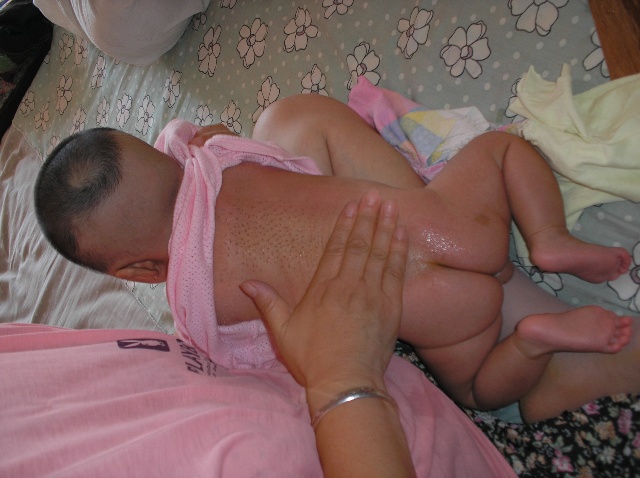

Usually, after the symptoms of Pig Hair Wind appear, folk remedies for treating it include the following methods:
1. Direct Plucking
The problem with plucking is that infants have tender skin and weak immunity, which easily leads to skin infection. Therefore, this method is not recommended.
2. Using Flour
Gently rubbing with flour is more suitable than direct plucking, but excessive rubbing with flour can also damage the skin, so it is not recommended.
3. Boiling Chicken Feathers and Wiping the Body
Usually, wiping once or twice is sufficient. This method is more appropriate than the previous ones.
In folk belief, Pig Hair Wind is considered a type of wind syndrome, also known as fetal toxin. It is caused by exposure to wind or fetal toxins, leading to the appearance of pig hair-like follicles.
From a modern scientific perspective, this can also be explained. Generally, Pig Hair Wind occurs because after birth, due to the infant's delicate skin, vernix caseosa is usually not cleaned thoroughly, leading to blockage in the hair follicles. The cause is roughly similar to folliculitis or acne. However, because infants' skin is more sensitive, the actual symptoms are not as severe as in adults. The combination of lanugo and vernix forms hard lumps, causing discomfort or pain. Therefore, folk remedies often use the methods mentioned above to clear the blockages formed by vernix in the hair follicles.
Boiling chicken feathers may seem strange, but it is common in modern life. In formal Yao bath treatments, there is a prescription for chicken feather baths, where the water is required to be boiled with chicken feathers. Wiping the child with chicken feather water is essentially similar to the principle of Yao baths, both utilizing the boiling water from chicken feathers to clear oil blockages in the skin.
Chicken feather boiling water can not only be used to treat Pig Hair Wind but also has the effects of detoxification and pain relief. It is also effective for漆 poisoning (poison ivy/oak poisoning), allergic urticaria, and acne (pimples).